
ян. 09, 2026
[newsletter_form]Choosing the right mini excavator size is one of the most important decisions contractors, farmers, and rental companies make. In the 1–3 ton mini excavator category, even small differences in weight, digging depth, and hydraulic performance can significantly impact productivity and operating cost.
Many buyers assume that “bigger is always better,” while others choose the smallest machine to save money. In reality, the correct choice depends on job type, working environment, transport conditions, and long-term business goals.
This guide explains how to choose the right 1–3 ton mini excavator, highlights typical applications for each size, and shows how RIPPA mini excavators are designed to meet real-world working demands.
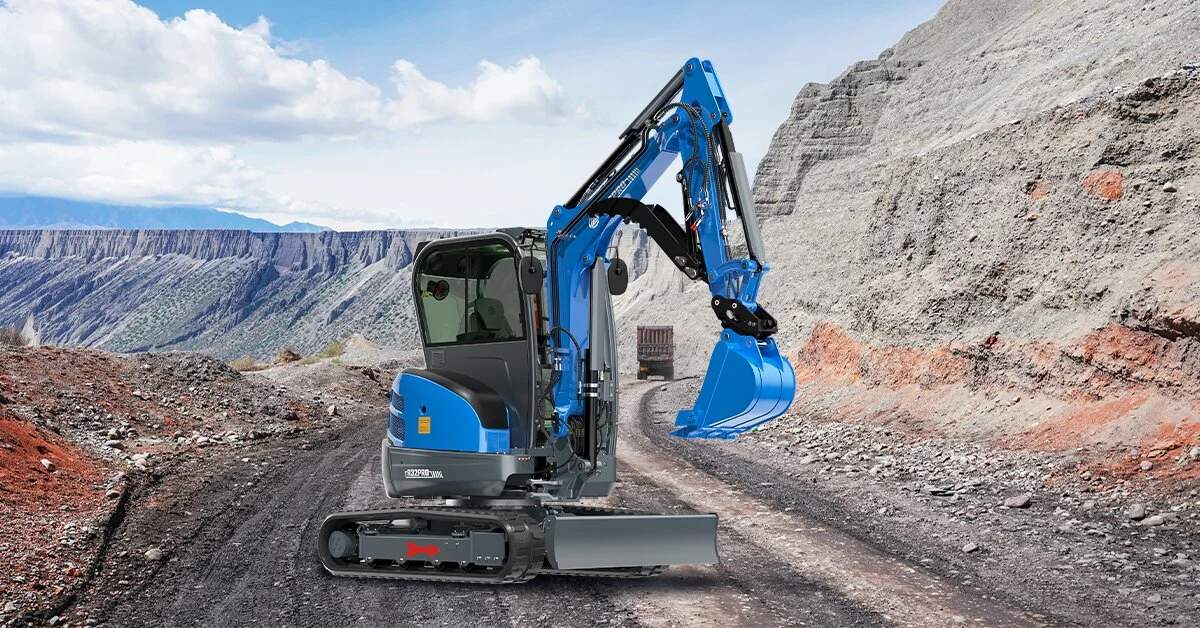
The 1–3 ton category is considered the core segment of the global mini excavator market. These machines are compact enough for urban and residential use, yet powerful enough for commercial and light industrial work.
Typical characteristics include:
Compact dimensions
Easy transport with trailers
Low fuel consumption
Wide attachment compatibility
Simple operation and maintenance
However, each tonnage level serves different needs.
Best for:
Озеленяване
Garden projects
Residential trenching
Indoor or backyard work
Machines in this range are extremely compact and easy to transport. They are ideal when access is limited or when minimal ground disturbance is required.
Advantages:
Lowest purchase cost
Extremely easy to operate
Minimal site impact
Limitations:
Limited digging depth
Lower breakout force
Not suitable for continuous heavy-duty work
These models are often chosen by homeowners, landscapers, or rental companies serving light-duty customers.
Best for:
Small contractors
Utility trenching
Fence installation
Light construction
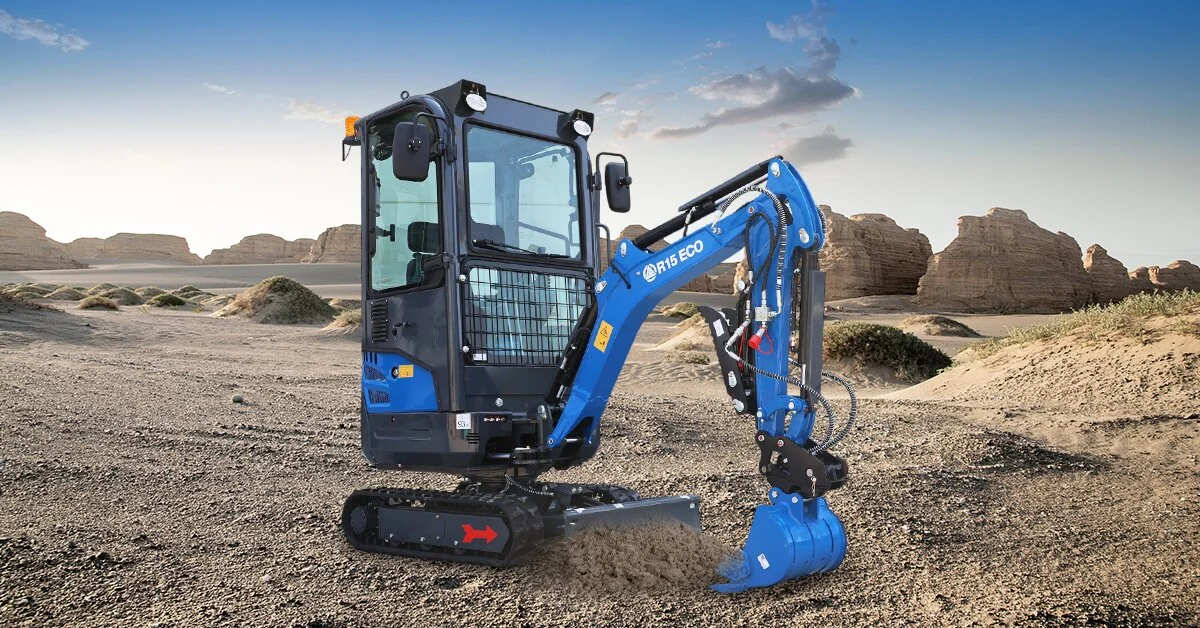
This segment offers the best balance between power and portability. Machines like the RIPPA R15 fall into this category and are widely used by professional contractors.
Advantages:
Stronger hydraulic performance
Better digging depth
Still easy to transport
Versatile attachment support
For many small contractors, this is the most cost-effective size, offering professional capability without the operating cost of larger machines.
Best for:
Municipal projects
Small infrastructure jobs
Rental fleets
Long-hour operations
These machines deliver higher stability, deeper digging capacity, and improved lifting performance.
Advantages:
Strong structure for continuous work
Better performance with breakers and augers
Higher resale value
Considerations:
Slightly higher fuel and transport cost
Requires more job site space
Contractors who frequently work on commercial projects often find this range ideal for long-term productivity.
Trenching and landscaping → smaller machines
Foundations and utility work → mid-range
Continuous construction → larger models
If you rely on pickup trucks and light trailers, staying under 2 tons may reduce logistics costs.
Larger machines require more experience, while smaller excavators are easier to learn.
Hydraulic attachments demand sufficient flow and pressure. Undersized machines may struggle.
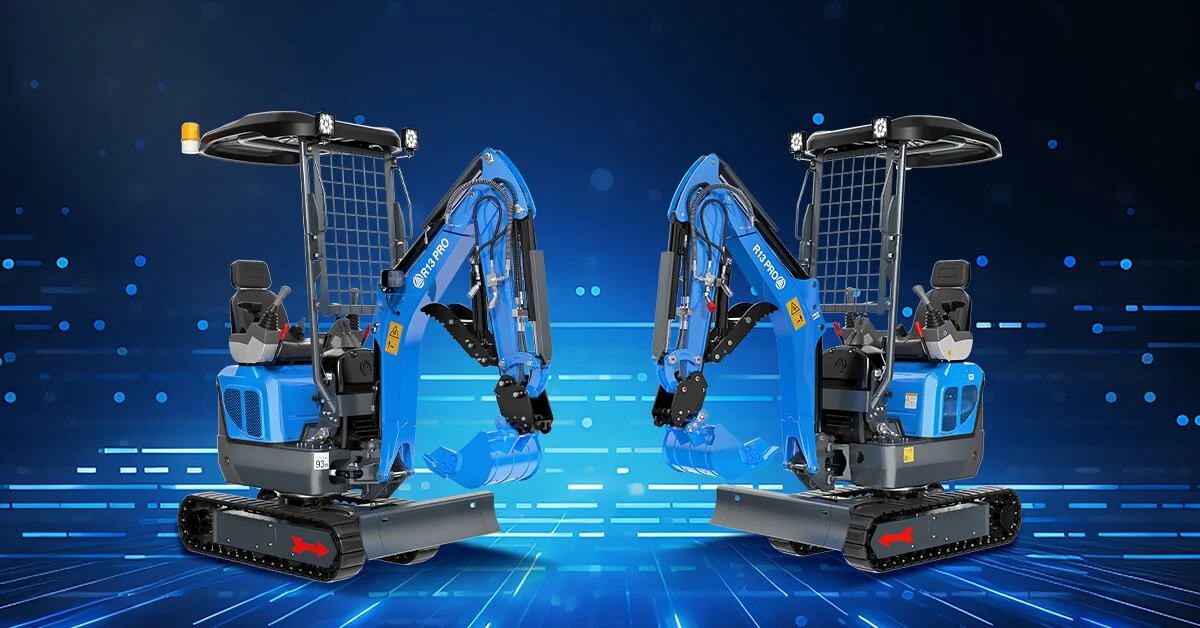
RIPPA designs its mini excavators based on real usage scenarios, not just technical specifications.
Key features include:
Optimized hydraulic systems for each tonnage
Reinforced steel structure across all sizes
Simple maintenance layout
Cost-effective spare parts availability
This allows buyers to focus on application fit, rather than worrying about durability or reliability.
Choosing the right mini excavator size is about matching machine capability to real job requirements. The 1–3 ton range offers flexible solutions for contractors, farmers, and rental businesses worldwide.
With well-designed models like those from RIPPA, buyers can confidently select a machine that delivers long-term value, efficiency, and reliability.





 Начало
 Продукти