
مايو 07, 2026
A wheel loader is a powerful heavy equipment machine used for loading, lifting, carrying, and transporting materials such as sand, gravel, soil, rocks, snow, and industrial waste. Commonly used in construction, mining, agriculture, and roadwork, wheel loaders are among the most versatile machines in the heavy equipment industry.
Wheel loaders operate using a large front-mounted bucket powered by hydraulic systems. Unlike tracked machines, they move on rubber tires, providing faster travel speed and better mobility across worksites.
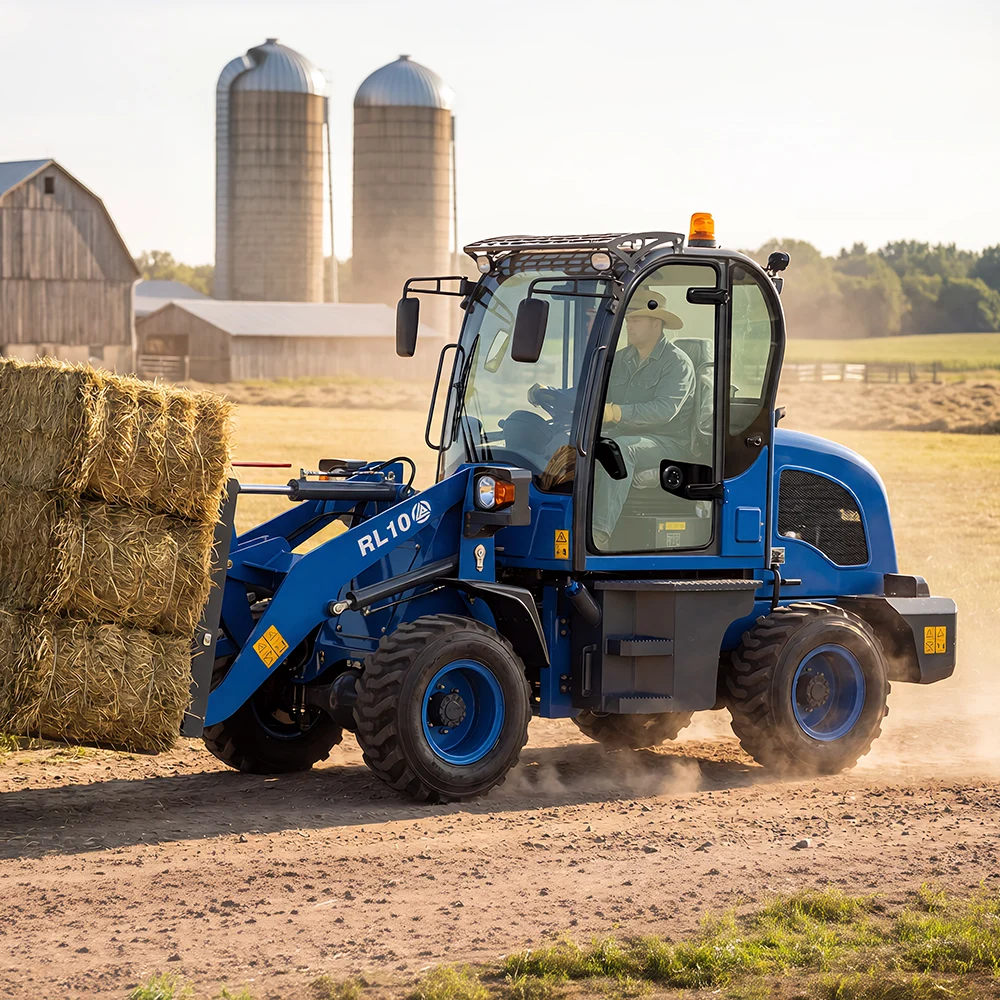
A wheel loader, also called a front-end loader or bucket loader, is designed to scoop materials from the ground and load them into trucks, hoppers, or stockpiles. The machine includes a bucket, hydraulic lift arms, articulated steering, and a diesel-powered engine.
Modern wheel loaders are widely used for:
Because of their efficiency and flexibility, wheel loaders are essential in many industries.
Key components include:
The hydraulic system allows operators to raise, lower, tilt, and dump the bucket with precision.
Compact wheel loaders are small machines designed for landscaping, farms, urban projects, and small construction sites. They are easy to maneuver and ideal for confined areas.
Common applications:
Small wheel loaders provide greater lifting capacity while remaining versatile and fuel-efficient. They are often used in municipal work and agriculture.
Medium-sized wheel loaders are the most common in construction and roadwork. They balance power, speed, and operating cost.
Applications include:
Large wheel loaders are heavy-duty machines used in mining and quarry operations. They feature high horsepower engines and massive bucket capacities.
Typical uses:
High-lift wheel loaders are designed with extended lift arms for increased dumping height and better reach.
Wheel loaders are heavily used in construction projects for moving soil, gravel, concrete materials, and debris. They improve efficiency by quickly loading materials into trucks.
Mining companies rely on large wheel loaders to transport rocks, ore, coal, and minerals. Their fast loading cycles increase productivity in quarry operations.
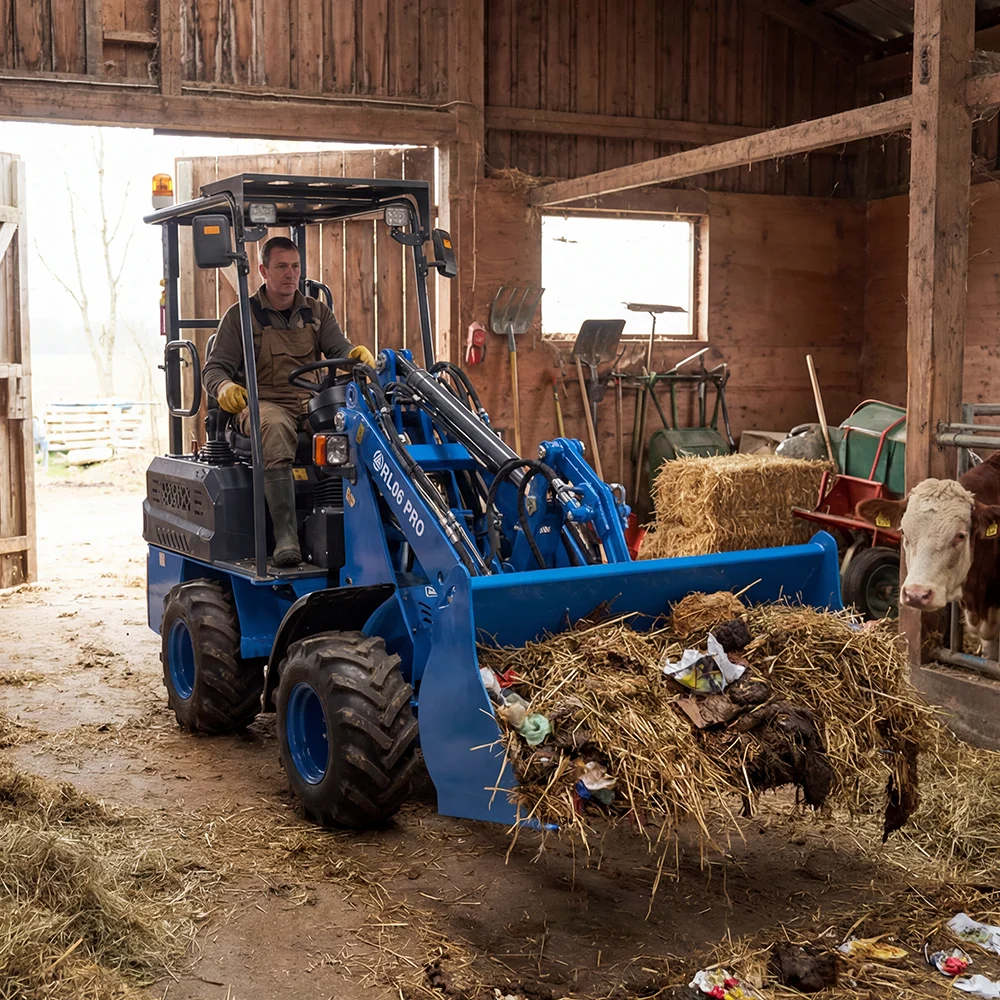
Farmers use wheel loaders to move hay, feed, fertilizer, and manure. Compact wheel loaders are especially useful on farms because of their maneuverability.
Wheel loaders equipped with snow buckets or snowplows are commonly used for clearing roads, airports, and parking lots during winter.
Waste handling wheel loaders are designed for recycling plants and landfill operations. They help move waste materials safely and efficiently.
Wheel loaders offer several advantages:
Modern wheel loaders also include advanced technology such as:
Wheel loaders can use multiple attachments to increase functionality.
Popular attachments include:
These attachments make wheel loaders adaptable to many jobsite requirements.
A wheel loader is mainly designed for lifting and carrying materials, while a bulldozer is designed for pushing materials.
Wheel loaders:
Bulldozers:
Operating a wheel loader safely is critical. Operators should:
Proper training and maintenance help prevent accidents and equipment damage.
Leading wheel loader brands include:
These manufacturers produce wheel loaders for different industries and operating conditions.
Wheel loaders are essential heavy equipment machines used for loading, lifting, transporting, and handling materials across multiple industries. From construction and mining to agriculture and snow removal, wheel loaders improve productivity and operational efficiency.
Choosing the right wheel loader depends on:
With modern technology, fuel efficiency improvements, and versatile attachments, wheel loaders continue to play a vital role in heavy equipment operations worldwide.


 الصفحة الرئيسية
 المنتجات
 البريد الإلكتروني
 واتساب