
May 27, 2026
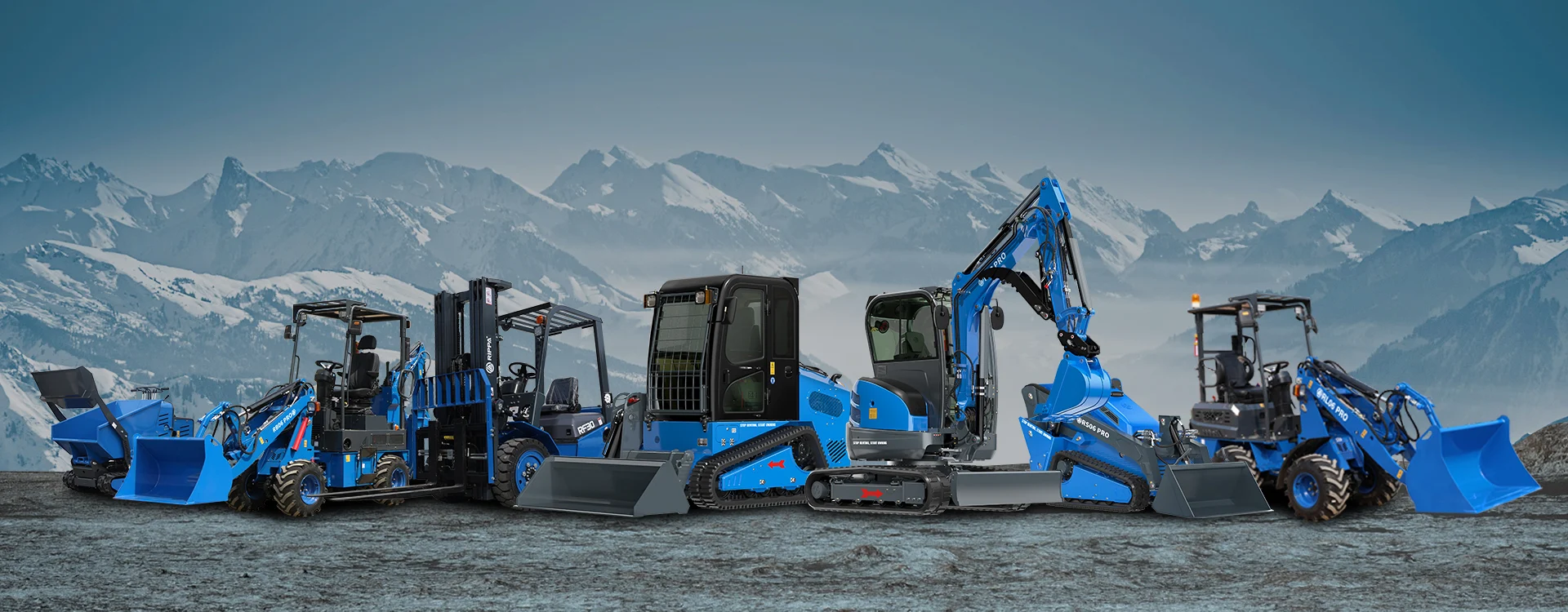
As global demand for construction equipment continues to grow, wheel loaders have become one of the most essential machines in industries such as construction, agriculture, mining, landscaping, municipal services, and material handling.
However, choosing the right wheel loader is not just about selecting the machine itself—it is equally important to choose the right wheel loader manufacturer. A reliable manufacturer can provide superior product quality, competitive factory pricing, customized solutions, and long-term after-sales support.
Whether you are an equipment dealer, rental company, contractor, or fleet manager, this guide will help you understand how to evaluate wheel loader manufacturers and secure the best factory-direct pricing.
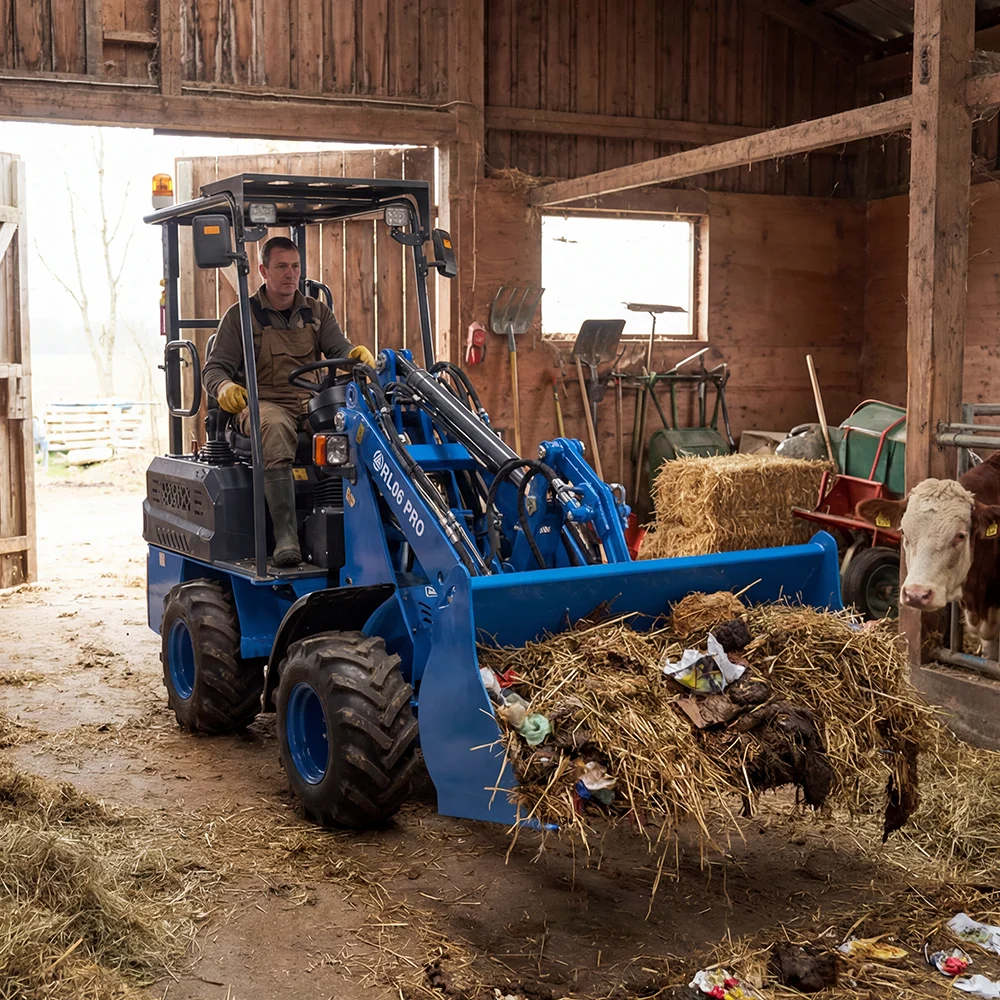
Many buyers purchase equipment through distributors or trading companies without realizing the benefits of working directly with the factory.
Factory-direct sourcing provides several advantages:
When buying directly from a manufacturer, you eliminate intermediary markups.
Benefits include:
For dealers and importers, factory pricing can significantly improve profit margins.
Professional wheel loader manufacturers can tailor machines according to customer requirements.
Customizable options may include:
This level of flexibility is rarely available through traditional distributors.
Factory engineers understand their equipment better than third-party sellers.
Direct support often includes:
Not all suppliers are created equal.
A reputable manufacturer should demonstrate expertise in engineering, production, quality control, and customer service.
Experience often reflects manufacturing capability.
Look for manufacturers with:
Experienced manufacturers understand the evolving needs of global markets.
Modern factories should feature:
A larger production capacity generally indicates stronger operational stability.
Innovation plays a major role in machine performance.
Leading manufacturers invest heavily in:
Ask suppliers about their engineering team and product development capabilities.
Quality certifications are important indicators of manufacturing standards.
This certification demonstrates that the manufacturer follows international quality management systems.
Required for European markets.
CE-certified wheel loaders comply with safety and environmental regulations.
Important for North American markets.
EPA-certified engines meet strict emission standards.
Protects operators from rollovers and falling objects.
These certifications increase buyer confidence and market acceptance.
Many buyers focus only on price.
However, long-term value depends on machine quality.
The frame serves as the backbone of the loader.
Inspect:
A stronger frame improves durability and longevity.
Hydraulics determine loading performance.
Quality systems offer:
Premium hydraulic components typically deliver better reliability.
Trusted engine brands include:
A reliable engine improves fuel efficiency and minimizes downtime.
These components endure significant stress.
Choose manufacturers that use proven drivetrain systems from reputable suppliers.
Many buyers ask:
“How much does a wheel loader cost directly from a manufacturer?”
The answer depends on several factors.
Typical range:
$5,000–$15,000
Applications:
Typical range:
$15,000–$40,000
Applications:
Typical range:
$50,000–$300,000+
Applications:
Additional costs may include:
Before placing an order, ask:
A professional manufacturer should provide at least 12 months warranty coverage.
Fast parts delivery reduces downtime.
Customization is essential for many industries.
Manufacturers with extensive export experience understand international regulations and logistics.
References help verify supplier credibility.
China has become one of the world’s largest construction equipment manufacturing hubs.
Key advantages include:
Chinese manufacturers often provide excellent value compared to European and North American brands.
Leading factories are investing heavily in:
Many Chinese manufacturers export to:
This global experience improves product reliability and service capabilities.
The cheapest machine often becomes the most expensive over time due to repairs and downtime.
Without reliable parts support, productivity suffers.
Failure to meet local regulations can prevent equipment registration and operation.
Always request:
A wheel loader is a long-term investment.
Strong after-sales service should include:
Reliable support can significantly reduce total ownership costs.
With proper maintenance, a quality wheel loader can operate for 10,000–20,000+ hours.
Yes. Factory-direct purchases typically eliminate distributor markups and provide better pricing.
Most professional manufacturers offer customization options for attachments, engines, tires, and cab features.
The ideal size depends on material type, workload, jobsite conditions, and budget.
Choosing the right wheel loader manufacturer is just as important as selecting the right machine. A reputable supplier offers quality equipment, competitive factory pricing, customization options, and dependable after-sales support.
Before making a purchase, carefully evaluate production capabilities, certifications, component quality, export experience, and customer service. By partnering with the right manufacturer, you can maximize productivity, reduce operating costs, and ensure long-term success for your business.


 Home
Home
 Products
 Email
Email
 WhatsApp