2 月 06, 2026
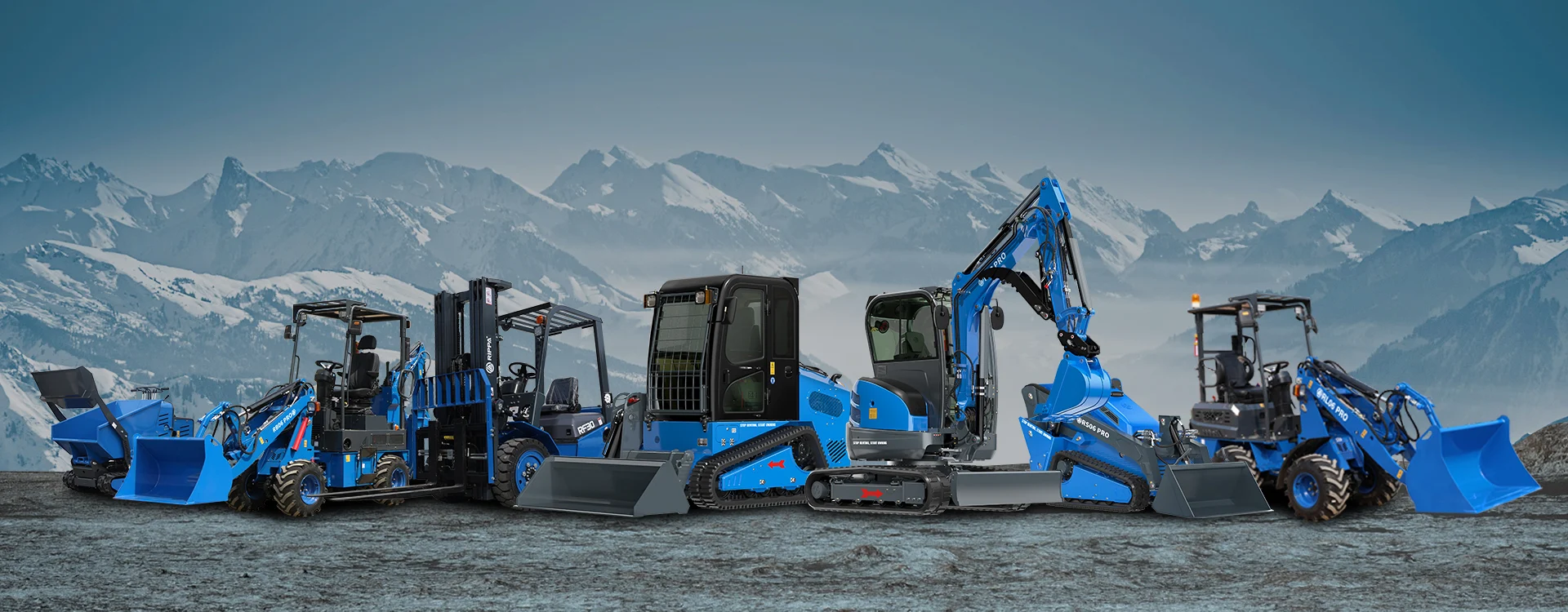
Skid steer loaders have become one of the most versatile and cost-effective machines in construction, landscaping, agriculture, and material handling. Whether you are planning to buy a skid steer loader, compare skid steer vs. track loaders, or understand mini skid steer applications, this comprehensive guide brings together the most important buying factors, comparisons, maintenance tips.
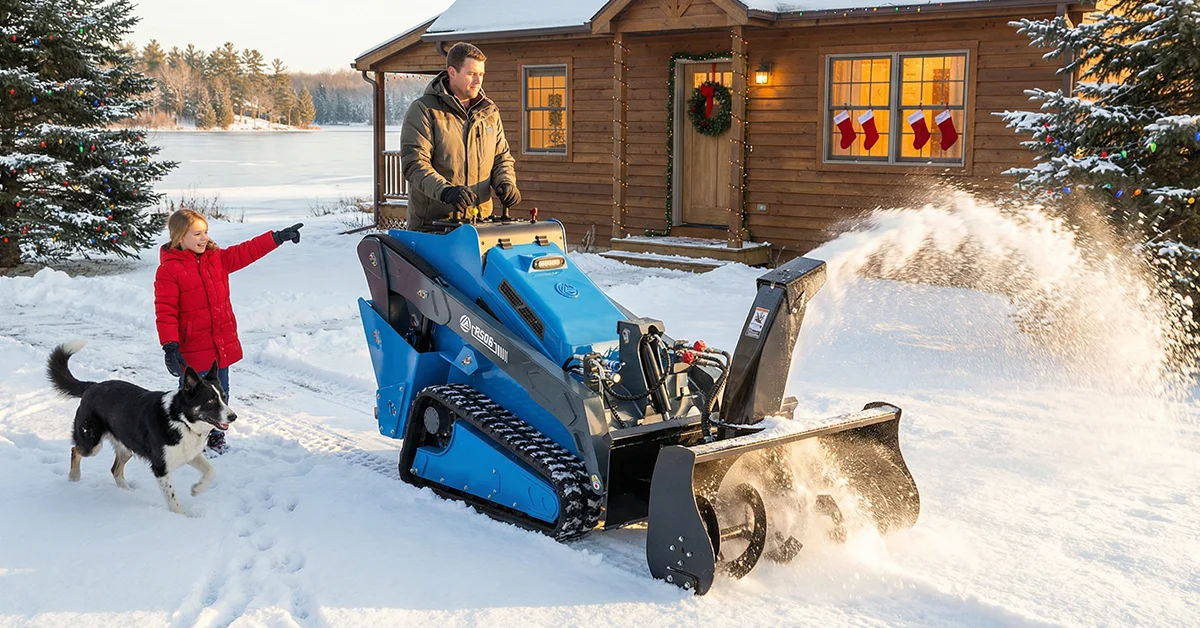
A skid steer loader is a compact, engine-powered machine with lift arms designed to attach various tools and attachments. Its zero-radius turning capability allows it to operate in tight job sites where larger equipment cannot fit.
●Compact design for confined spaces
●Multi-purpose attachments for different industries
●High productivity with lower operational costs
●Easy transport compared to large construction machines
●Strong resale value and global demand
●Construction and demolition
●Landscaping and property maintenance
●Agriculture and livestock operations
●Snow removal and municipal work
●Warehousing and logistics
Choosing the right skid steer requires understanding machine weight, lifting capacity, and operational needs.
●Affects transport logistics and trailer requirements
●Impacts ground pressure and terrain performance
●Influences fuel efficiency and machine stability
●Determines attachment compatibility
●Match machine size to your main application
●Check hydraulic flow for high-performance attachments
●Consider dealer support and spare parts availability
●Evaluate operator comfort and safety features
●Compare long-term maintenance costs
A skid steer loader becomes a multi-functional powerhouse when paired with the right attachments.
1.Excavating trenches and foundations
2.Grading and leveling surfaces
3.Moving pallets and materials
4.Snow removal and de-icing
5.Landscaping and turf preparation
6.Concrete mixing and breaking
7.Forestry clearing
8.Agricultural feeding and cleaning
9.Road maintenance and debris removal
●Buckets and grapples
●Augers and trenchers
●Pallet forks
●Brush cutters
●Snow blades and blowers
●Hydraulic breakers
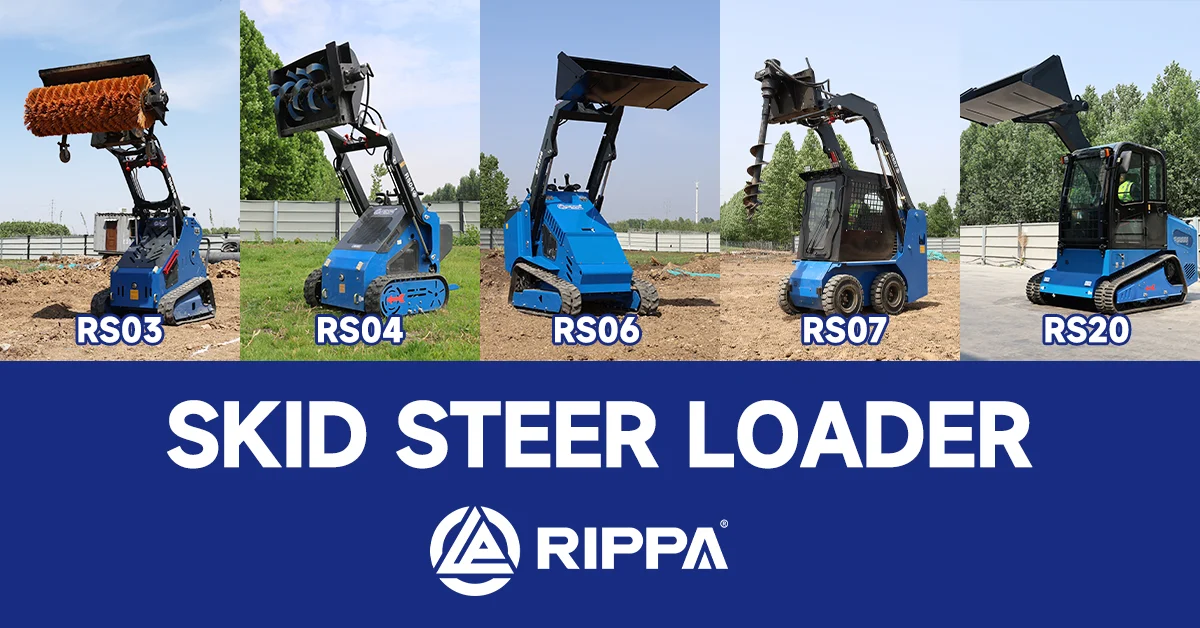
Understanding machine differences helps buyers choose the best equipment for their jobsite.
| Feature | 滑移装载机 | Track Loader |
|---|---|---|
| Terrain | Hard surfaces | Soft or muddy ground |
| 维护 | Lower | Higher |
| Speed | Faster travel | Slower but more traction |
| Cost | Lower purchase price | Higher upfront investment |
●Compact track loaders offer better traction and reduced ground pressure.
●Skid steers are more economical and easier to maintain.
●Track machines perform better in wet, sandy, or uneven terrain.
Mini skid steers are increasingly popular for small job sites and indoor projects.
●Residential landscaping
●Interior demolition
●Narrow access construction
●Utility installation
●Light agricultural tasks
●Limited space operations
●Lower budget projects
●Light-duty applications
●Jobs requiring minimal ground disturbance
Choosing the best skid steer brand depends on budget, dealer network, machine reliability, and resale value.
●Proven durability and engineering quality
●Global dealer support
●Parts availability and after-sales service
●Advanced safety and technology features
●Competitive price-performance ratio
●Perform daily fluid checks
●Inspect tires or tracks regularly
●Clean radiators and cooling systems
●Lubricate moving parts frequently
●Monitor hydraulic system pressure
●Replace filters on schedule
●Inspect attachments for wear
●Train operators properly
●Keep maintenance records organized
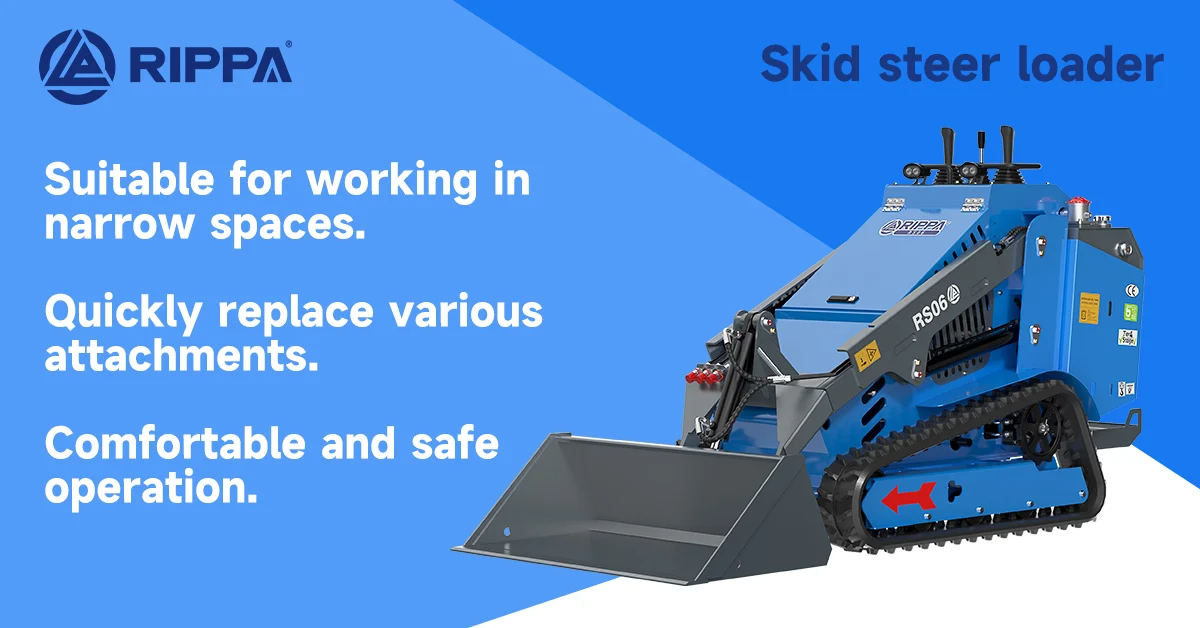
A skid steer loader is one of the most flexible and profitable machines for contractors and equipment dealers. By understanding machine weight, comparing skid steer vs. compact track loaders, exploring real-world applications, and following expert buying tips, businesses can maximize productivity while minimizing operating costs.
Whether you are investing in a mini skid steer, comparing different brands, or deciding between wheeled and tracked models, the key is aligning machine capabilities with your jobsite requirements and long-term business goals






 首页
首页
 产品
产品
 电子邮件
电子邮件
 WhatsApp