1 月 28, 2026
Buying a skid steer loader is a strategic decision for B2B buyers, equipment dealers, and fleet operators. Unlike retail customers, professional buyers must evaluate performance, durability, lifecycle cost, and resale potential.
This guide outlines the most important factors to consider when buying a skid steer loader, helping business buyers make informed, profit-driven decisions.
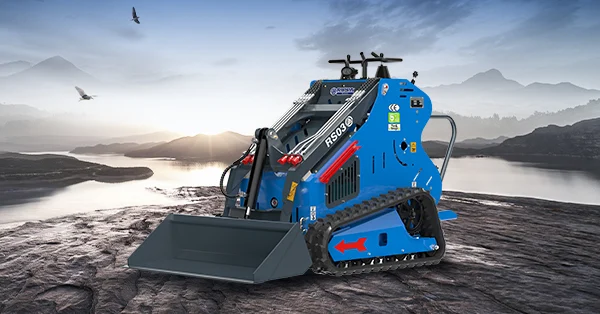
One of the first specifications to evaluate is the rated operating capacity (ROC).
Key considerations include:
●Typical material weight handled on job sites
●Attachment weight impact on lift capacity
●Safety margin for continuous operation
For contractors and rental fleets, selecting a skid steer loader with sufficient lifting capacity reduces downtime and expands application coverage.
Engine performance directly affects productivity and operating costs.
Important engine-related factors:
●Horsepower output matched to intended applications
●Fuel consumption under continuous load
●Emission compliance for target markets
●Availability of reliable engine brands
For international buyers, fuel-efficient skid steer loaders lower total cost of ownership and improve competitiveness in price-sensitive markets.
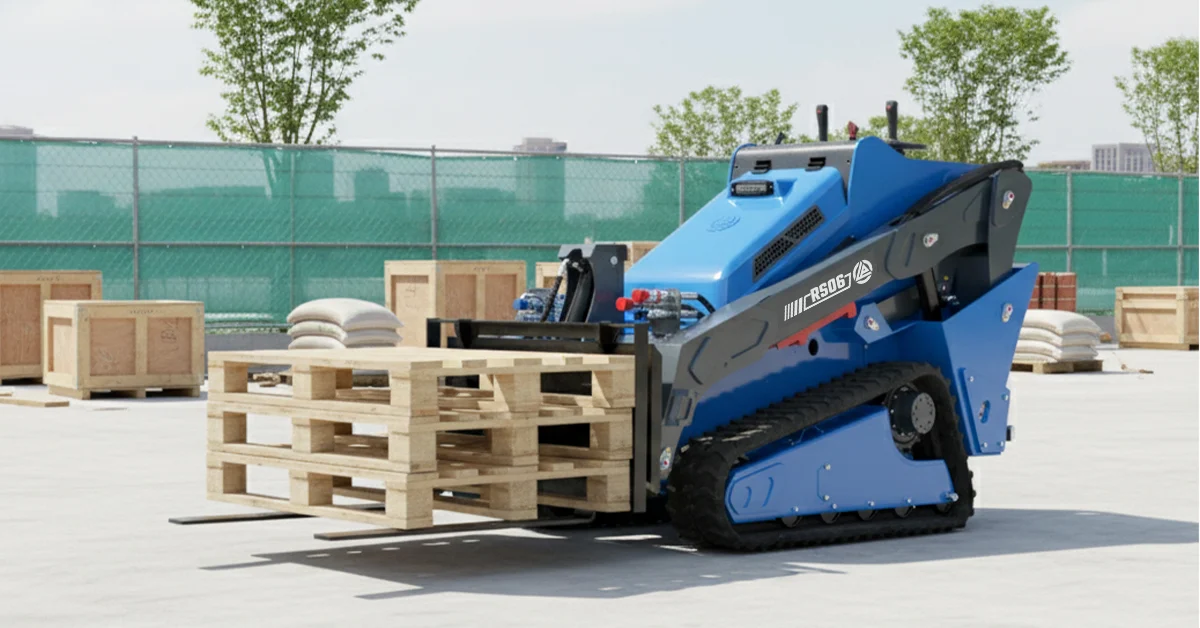
Choosing between wheeled skid steer loaders 和 compact track loaders is a major purchasing decision.
Wheeled skid steer loaders are suitable for:
●Hard surfaces such as concrete and asphalt
●Lower acquisition and maintenance costs
●High-speed material transport
Tracked skid steer loaders are better for:
●Soft, muddy, or uneven terrain
●Improved traction and stability
●Reduced ground pressure
Dealers often stock both types to meet diverse customer demands.
The hydraulic system determines how effectively a skid steer loader can power attachments.
Key factors include:
●Standard-flow vs. high-flow hydraulics
●Hydraulic pressure and flow rate
●Compatibility with universal quick-attach systems
For B2B buyers, machines with strong hydraulic performance support a wider range of attachments, increasing resale value and rental utilization rates.
Although often overlooked, operator comfort plays a critical role in long-term productivity.
Important comfort features:
●Ergonomic joystick or hand controls
●Spacious cab with good visibility
●Climate control options
●Low vibration and noise levels
Fleet operators benefit from comfortable skid steer loaders because they reduce operator fatigue and improve job efficiency.
After-sales support is a decisive factor in B2B purchasing.
Consider the following:
●Ease of daily maintenance access
●Availability of replacement parts
●Global or regional service networks
●Warranty coverage and technical support
Skid steer loaders with simple maintenance design help dealers reduce service costs and improve customer satisfaction.
Instead of focusing only on purchase price, professional buyers evaluate total cost of ownership.
TCO includes:
●Initial purchase cost
●Fuel and maintenance expenses
●Downtime and repair frequency
●Resale value after service life
Skid steer loaders with balanced performance and durability often deliver the best long-term returns.
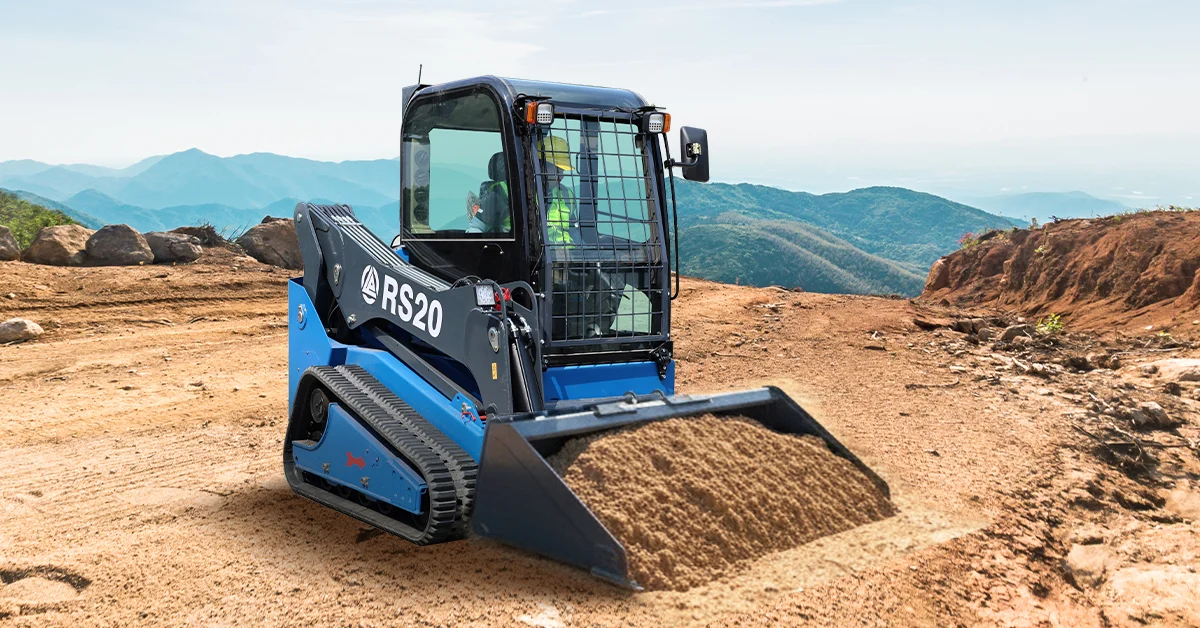
When buying a skid steer loader, B2B buyers must look beyond basic specifications. Load capacity, engine efficiency, hydraulics, terrain suitability, and after-sales support all influence long-term profitability.
By carefully evaluating these key factors, dealers and fleet owners can select skid steer loaders that meet market demand and maximize operational efficiency.






 首页
首页
 产品
产品
 电子邮件
电子邮件
 WhatsApp