
Oca 13, 2026
The machine known today as a skid loader—more accurately called a skid steer loader—gets its name from the unique way it turns. Unlike traditional loaders that use steering wheels or articulated frames, a skid loader turns by skidding its wheels or tracks across the ground. This distinctive steering method is the reason behind its name.
Understanding where the term comes from helps clarify how the machine works and why it is so widely used in construction, agriculture, and landscaping.
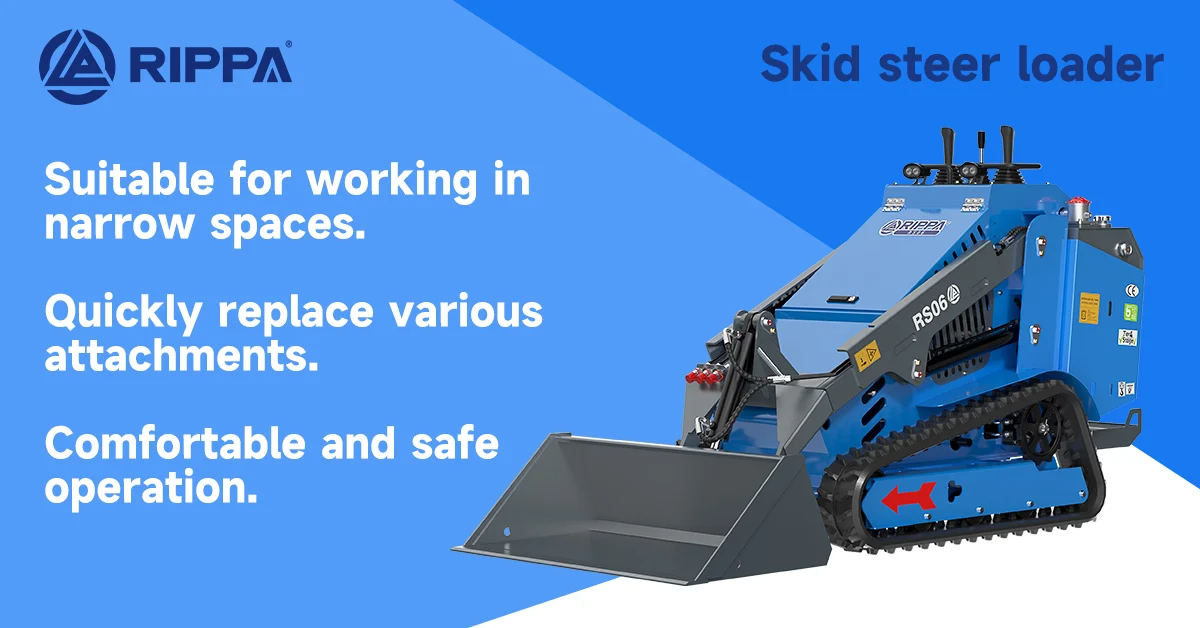
The word “skid” refers to the way the machine changes direction.
●The left and right wheels operate independently
●To turn, one side slows down or stops
●The opposite side continues moving
●The wheels slide or skid on the surface during the turn
Because the machine does not pivot using a steering axle, the tires physically skid on the ground—hence the term skid loader.
The full technical name is skid steer loader.
●Skid describes the sliding motion of the wheels
●Steer refers to directional control
●Loader indicates its primary function: lifting and moving materials
Over time, “skid loader” became a shortened, commonly used version of the full name.
Skid loaders use a dual-drive system:
●Two wheels (or tracks) on the left
●Two wheels (or tracks) on the right
Each side is powered separately. When one side moves faster than the other, the machine turns. When one side moves forward and the other backward, the skid loader can turn within its own footprint, a feature known as zero-radius turning.
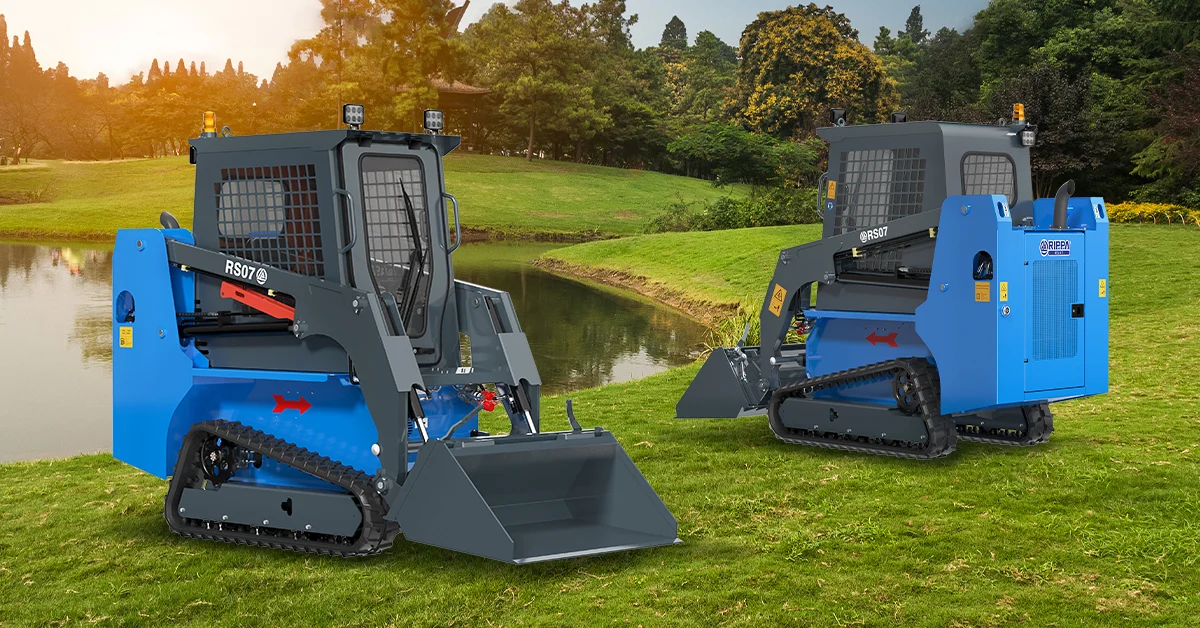
The term originated in the mid-20th century when early compact loaders were developed for farm and construction work.
●Early machines had rigid frames
●No front or rear steering axles
●Turning required the wheels to slide across dirt or concrete
Operators naturally described these machines by their most noticeable behavior—the skidding motion during turns.
| Feature | Skid Loader | Traditional Loader |
|---|---|---|
| Steering method | Skid steering | Steering wheel or articulation |
| Turning radius | Zero-radius | Wide turning circle |
| Surface interaction | Tires skid during turns | Tires roll naturally |
| Best environment | Tight spaces | Open job sites |
This steering difference is the key reason the naming distinction exists.
Because skid loaders rely on skidding:
●They can cause surface wear on asphalt or finished concrete
●Tracked skid loaders reduce surface damage
●Operators often use low-impact tires for sensitive areas
Despite this, the maneuverability advantage outweighs surface wear in most applications.
Even with modern technology—tracks, electronic controls, and smoother hydraulics—the basic steering principle remains the same. The term skid loader continues to accurately describe how the machine operates.
Today, skid loaders are valued for:
●Compact design
●Extreme maneuverability
●Multi-attachment versatility
●High productivity in confined spaces
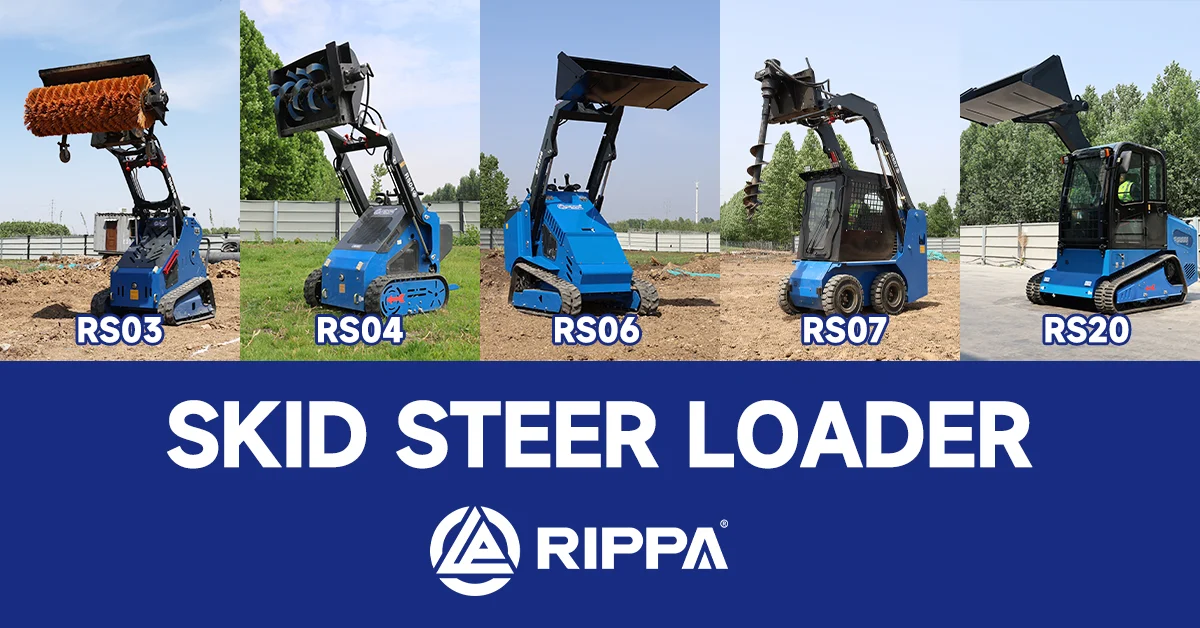
It is called a skid loader because it steers by skidding its wheels or tracks across the ground rather than turning them with a steering axle. This unique steering system defines the machine’s performance, maneuverability, and name.





 Ev
Ev
 Ürünler
 E-posta
 WhatsApp