
Şub 23, 2026
[newsletter_form]Warehouse forklifts are essential machines in modern logistics and supply chain operations. Whether you manage a distribution center, manufacturing facility, or e-commerce warehouse, forklifts help move heavy goods quickly and safely.
For beginners entering the material-handling industry, understanding forklift types, applications, and benefits can help businesses choose the right equipment and improve operational efficiency.
Manufacturers like RIPPA focus on producing reliable forklifts designed for global warehouses, dealers, and logistics companies.
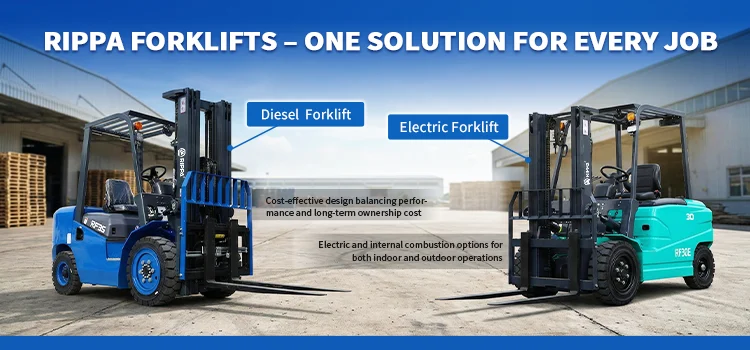
A warehouse forklift is a powered industrial vehicle designed to lift, move, stack, and transport palletized goods over short distances. Forklifts are widely used in:
●Logistics centers
●Manufacturing plants
●Wholesale warehouses
●Retail distribution hubs
●Construction material yards
These machines allow operators to move thousands of kilograms of materials safely while reducing manual labor.
Understanding the different forklift types is the first step when choosing equipment for a warehouse operation.
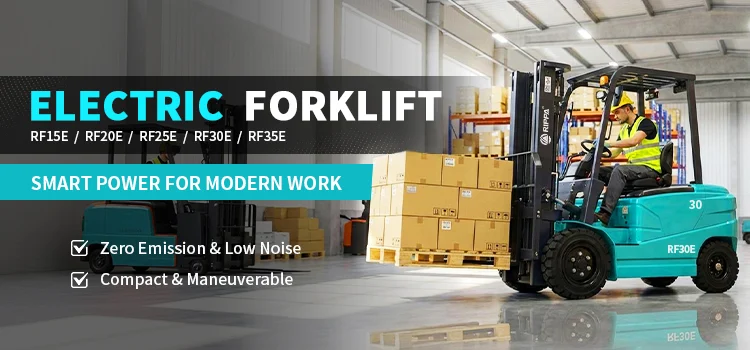
Electric forklifts are one of the most popular options for indoor warehouses.
Advantages include:
●Zero emissions
●Low noise levels
●Lower long-term operating costs
●Smooth and precise control
They are ideal for food storage, retail distribution centers, and indoor logistics environments.
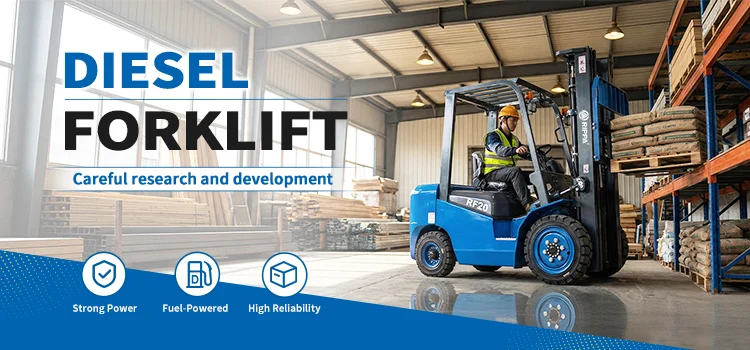
Diesel forklifts are built for power and durability.
Key benefits:
●Strong lifting capacity
●Reliable outdoor performance
●Long operating hours
●Suitable for rough environments
These forklifts are often used in construction supply yards and heavy-duty industrial warehouses.
LPG forklifts offer flexibility between electric and diesel machines.
Benefits include:
●Fast refueling
●Indoor and outdoor use
●Consistent performance
●Lower emissions than diesel
This makes them a practical choice for mixed working environments.
Forklifts are essential tools across the logistics industry. Typical applications include:
Forklifts allow warehouses to load and unload shipments quickly, reducing delivery times.
Operators can transport materials across warehouses safely and efficiently.
Forklifts enable vertical storage by placing goods on high racks, maximizing warehouse space.
From construction supplies to packaged products, forklifts handle loads that would otherwise require multiple workers.
One forklift operator can perform the work of several manual laborers, speeding up operations.
Businesses reduce manual handling requirements and improve workflow efficiency.
Forklifts minimize lifting injuries and reduce accidents when used properly.
With proper racking systems and forklifts, companies can optimize storage capacity.
Modern warehouse forklifts now include advanced features such as:
●Ergonomic operator cabins
●Improved visibility systems
●Fuel-efficient engines
●Advanced hydraulic control
●Enhanced stability for heavy loads
These improvements help businesses operate more efficiently while keeping operators safe.
Before purchasing a forklift, companies should evaluate several factors.
Determine the maximum weight your operation needs to lift.
Warehouses with high racking systems require forklifts with extended lift heights.
Narrow aisles may require compact or three-wheel electric forklifts.
Indoor warehouses benefit from electric forklifts, while outdoor operations may require diesel power.
As global logistics grows, many equipment distributors are turning to manufacturers that offer a balance of price and reliability.
RIPPA forklifts provide:
●Durable construction
●Competitive factory pricing
●Stable hydraulic systems
●Models suitable for warehouses and industrial use
●Support for global dealers and distributors
This makes them attractive for companies looking to expand their forklift fleet or enter the equipment distribution market.
Warehouse forklifts play a vital role in modern supply chains. By understanding forklift types, uses, and benefits, businesses can choose the right equipment to increase efficiency and reduce operating costs.
For companies planning to scale warehouse operations, investing in reliable forklifts is one of the most important decisions for long-term productivity.


 Ev
Ev
 Ürünler
 E-posta
 WhatsApp