
Oca 26, 2026
Skid steer loaders are among the most versatile pieces of compact construction equipment available today. Designed to operate efficiently in confined spaces, skid steers help businesses complete tasks faster, reduce labor costs, and maximize productivity. From construction sites to farms and landscaping projects, skid steer loaders provide unmatched flexibility for contractors, dealers, and fleet operators.
This guide explores the most common skid steer loader uses, key industries served, and how to work efficiently with this powerful machine.
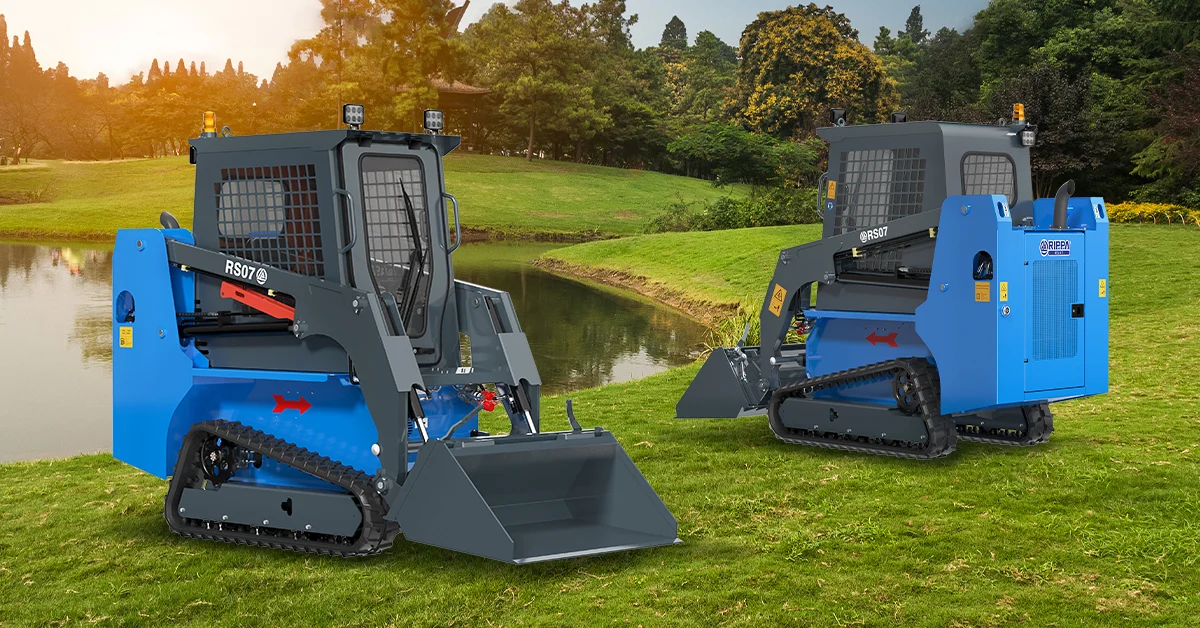
A skid steer loader is a compact machine with lift arms designed to support a wide range of attachments. Its unique steering system allows each side of the machine to move independently, enabling tight turns and zero-radius maneuverability. This makes skid steers ideal for working in restricted areas where larger machines cannot operate.
Skid steer loaders are widely used across multiple industries. Their versatility allows operators to switch tasks quickly by changing attachments.
In construction, skid steers are essential for improving job site efficiency.
Common construction uses include:
●Excavation and trenching
●Loading and transporting materials
●Demolition support
●Site cleanup and debris removal
●Backfilling and grading
Skid steer loaders help contractors complete projects faster while maintaining precision and safety.
Farmers rely on skid steers for daily operational tasks due to their compact size and powerful lifting capability.
Typical agricultural uses:
●Feeding livestock
●Handling hay bales
●Cleaning barns and stables
●Moving pallets and supplies
●Spreading manure
Their ability to operate in tight farm environments makes them indispensable equipment on modern farms.
Landscaping professionals benefit from skid steers for outdoor projects that require accuracy and efficiency.
Popular landscaping uses:
●Grading and leveling soil
●Installing turf and sod
●Digging holes for trees
●Mulching and material distribution
●Snow removal in winter
Municipal departments and utility contractors use skid steer loaders for infrastructure maintenance.
Key applications include:
●Road repair
●Drainage projects
●Pipeline trenching
●Snow clearing
●Public space maintenance
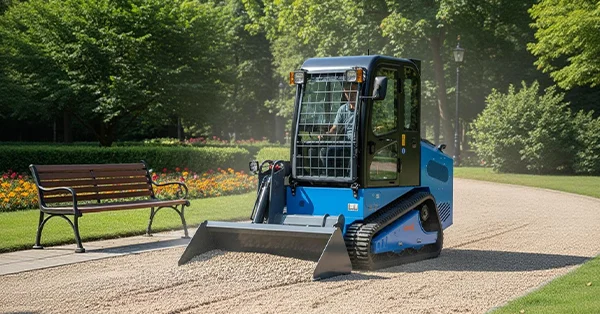
The real power of skid steer loaders lies in their compatibility with attachments. With the right tools, one machine can perform dozens of tasks.
Popular attachments include:
●General-purpose bucket
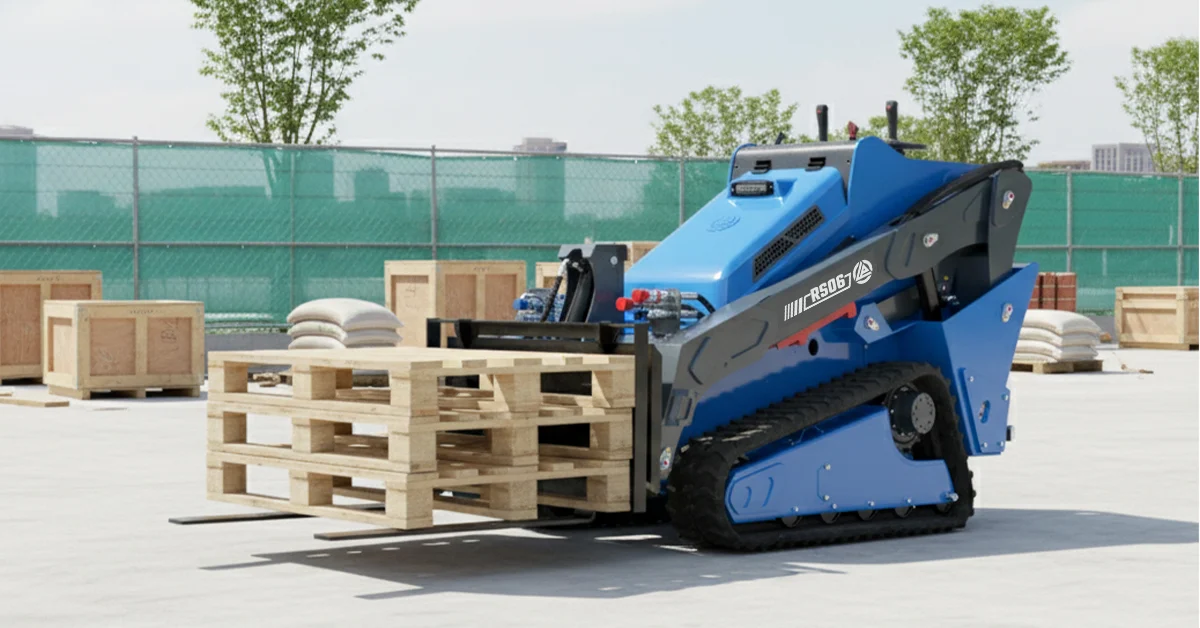
●Pallet forks
●Auger
●Trencher
●Hydraulic breaker
●Snow blower
●Grapple bucket
Switching attachments quickly reduces downtime and improves job efficiency.
Skid steer loaders help businesses improve operational performance in several ways:
Quick maneuverability and fast attachment changes allow tasks to be completed rapidly.
One skid steer replaces multiple machines, lowering equipment investment costs.
Fewer workers are required to complete heavy tasks.
Skid steers work effectively in both indoor and outdoor environments.
To maximize efficiency, buyers should consider:
●Operating capacity
●Engine power
●Hydraulic flow rate
●Lift path design (radial vs vertical)
●Terrain conditions
Mini skid steers suit light-duty jobs, while larger models handle demanding construction tasks.
Safe operation ensures maximum efficiency and minimizes downtime:
●Conduct daily equipment inspections
●Use proper training and certification
●Avoid overloading the machine
●Wear PPE and follow job site safety rules
Skid steer loaders are powerful, efficient, and versatile machines that help businesses complete tasks faster and more effectively. Whether you are a contractor, farmer, or equipment dealer, investing in the right skid steer loader can significantly improve productivity and profitability.
Understanding skid steer loader uses and selecting appropriate attachments will ensure optimal performance across every project.





 Ev
Ev
 Ürünler
 E-posta
 WhatsApp