
ian. 09, 2026
Determining whether a skid steer is equipped with a high-flow hydraulic system should be performed using standardized, non-invasive procedures consistent with equipment operation manuals. The identification process typically includes verifying machine information labels, reviewing operator interface indicators, confirming hydraulic flow specifications, and inspecting auxiliary hydraulic connections. These steps do not require component disassembly or advanced diagnostic work. In parallel, proper operation and routine maintenance of the hydraulic system—such as fluid checks, connector cleanliness, and system condition monitoring—support accurate identification and safe use. Compliance with operating standards and maintenance intervals is essential for reliable system performance.
Before identifying the hydraulic system configuration, complete the following preparations:
These steps help reduce the risk of misinterpretation and improve inspection accuracy.
All steps should be performed without modifying or disconnecting hydraulic components.
Following these precautions helps prevent equipment damage and personal injury.
Regular maintenance supports both identification accuracy and long-term system reliability.
Maintenance intervals should follow the equipment’s general service schedule.
Proper storage practices help preserve hydraulic system condition.
Can attachment performance be used to identify a high-flow system?
No. Attachment behavior should not be used as an identification method. System specifications provide the correct reference.
Can a high-flow skid steer operate standard-flow attachments?
Yes, when operated within attachment-rated flow limits and according to operating instructions.
Is specialized diagnostic equipment required for identification?
No. In most cases, standard specification review and visual inspection are sufficient.
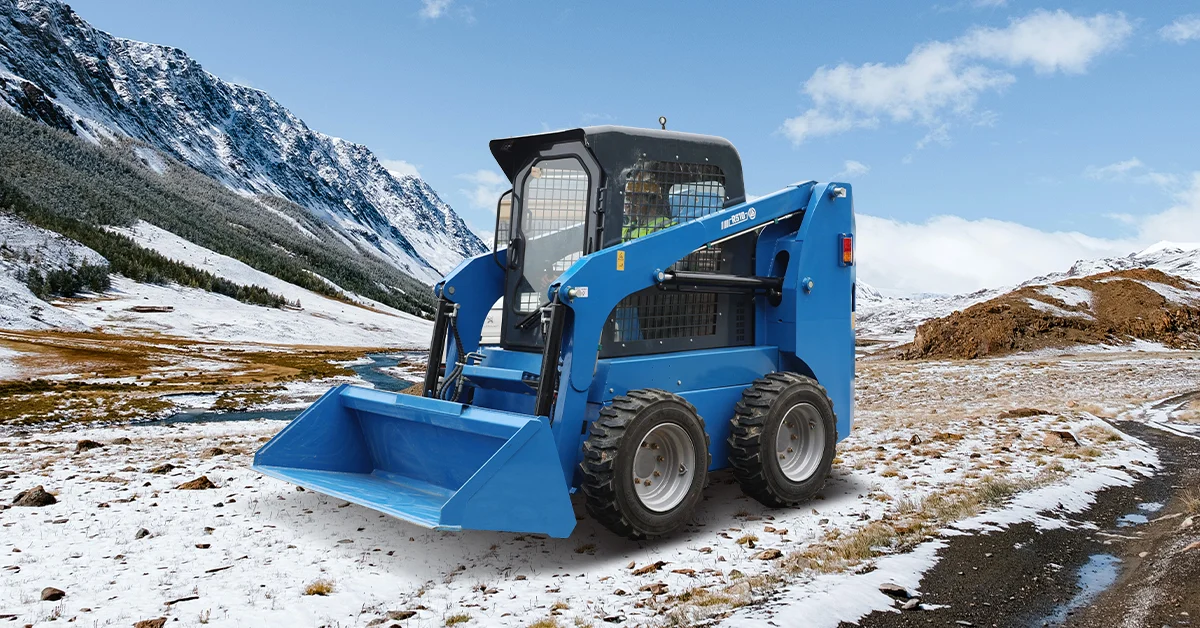
Identifying whether a skid steer is equipped with a high-flow hydraulic system should be carried out using standard operating procedures, without disassembly or advanced diagnostics. Accurate identification relies on documented specifications, clear indicators, and proper preparation. Consistent norm-compliant operation and routine maintenance are essential to maintaining hydraulic system integrity and ensuring safe, predictable equipment use.





 Acasă
Acasă
 Produse
 E-mail
 WhatsApp