
mart. 06, 2026
Forklifts are essential machines in warehouses, logistics centers, construction sites, and manufacturing facilities. They help businesses move heavy materials quickly and safely. However, not all forklifts are the same. Different forklift types are designed for specific environments, loads, and operational needs.
Understanding the different types of forklifts can help companies choose the right machine, improve efficiency, and reduce operating costs.
In this guide, we will explore 9 common types of forklifts and their typical uses, helping businesses determine which forklift is best suited for their operations.
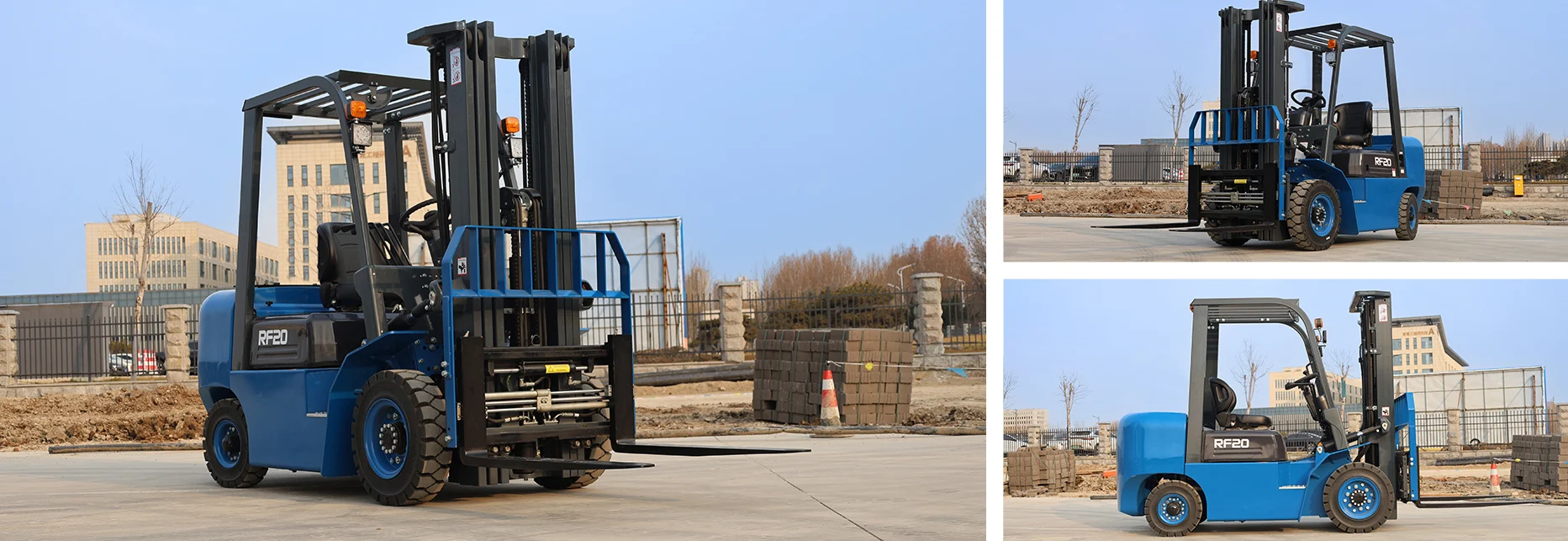
The counterbalance forklift is the most widely used type of forklift in the world. It features forks in the front and a weight at the back that balances the load.
Simple and easy operation
No outriggers or extensions required
Suitable for indoor and outdoor use
Warehouses
Distribution centers
Manufacturing plants
These forklifts are available in electric, diesel, or LPG versions, making them suitable for various industries.
Electric forklifts are powered by batteries instead of fuel engines. They are commonly used in indoor environments where emissions and noise must be minimized.
Zero emissions
Quiet operation
Lower maintenance costs
Indoor warehouses
Food and pharmaceutical industries
Retail distribution centers
With increasing environmental regulations, electric forklifts are becoming more popular globally.
Diesel forklifts are known for their powerful engines and high load capacity, making them ideal for heavy-duty outdoor operations.
High torque and strong lifting power
Suitable for rough terrain
Long operating time without frequent refueling
Construction sites
Ports and freight yards
Industrial yards
Diesel forklifts are often chosen when lifting heavy pallets or large materials.
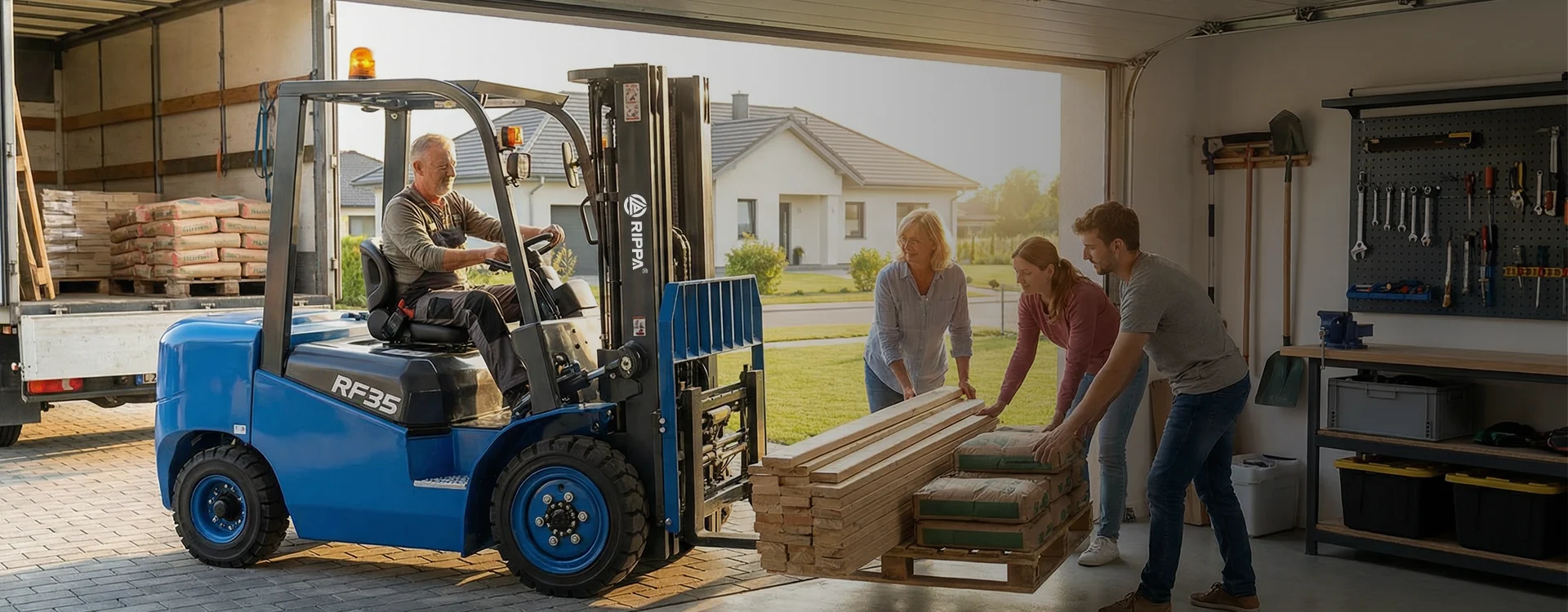
Rough terrain forklifts are designed for outdoor construction environments where the ground is uneven or muddy.
Large pneumatic tires
Strong suspension system
High ground clearance
Construction sites
Agriculture
Lumber yards
These forklifts provide stability and traction on challenging surfaces.
Reach trucks are specifically designed for high stacking in warehouses.
Extendable forks
Narrow chassis
Excellent vertical reach
High-density warehouse storage
Narrow aisles
Distribution centers
Reach trucks maximize warehouse space by allowing pallets to be stored at higher levels.
Side loader forklifts carry loads on the side rather than the front.
Long materials such as timber
Pipes and steel bars
Narrow warehouse aisles
Because of their design, side loaders reduce the need for turning in tight spaces.
Telehandlers combine features of forklifts and cranes.
Telescopic boom extends forward and upward
Can handle heavy loads at height
Attachments available (bucket, forks, lifting hooks)
Construction projects
Agriculture
Infrastructure development
Pallet jacks are the simplest type of forklift equipment.
Manual pallet jack
Electric pallet jack
Moving pallets over short distances
Small warehouses
Retail storage areas
They are affordable and easy to operate.
Order pickers allow operators to rise with the platform to retrieve items from high shelves.
E-commerce warehouses
Retail distribution centers
Large storage facilities
They help workers pick items quickly and accurately.
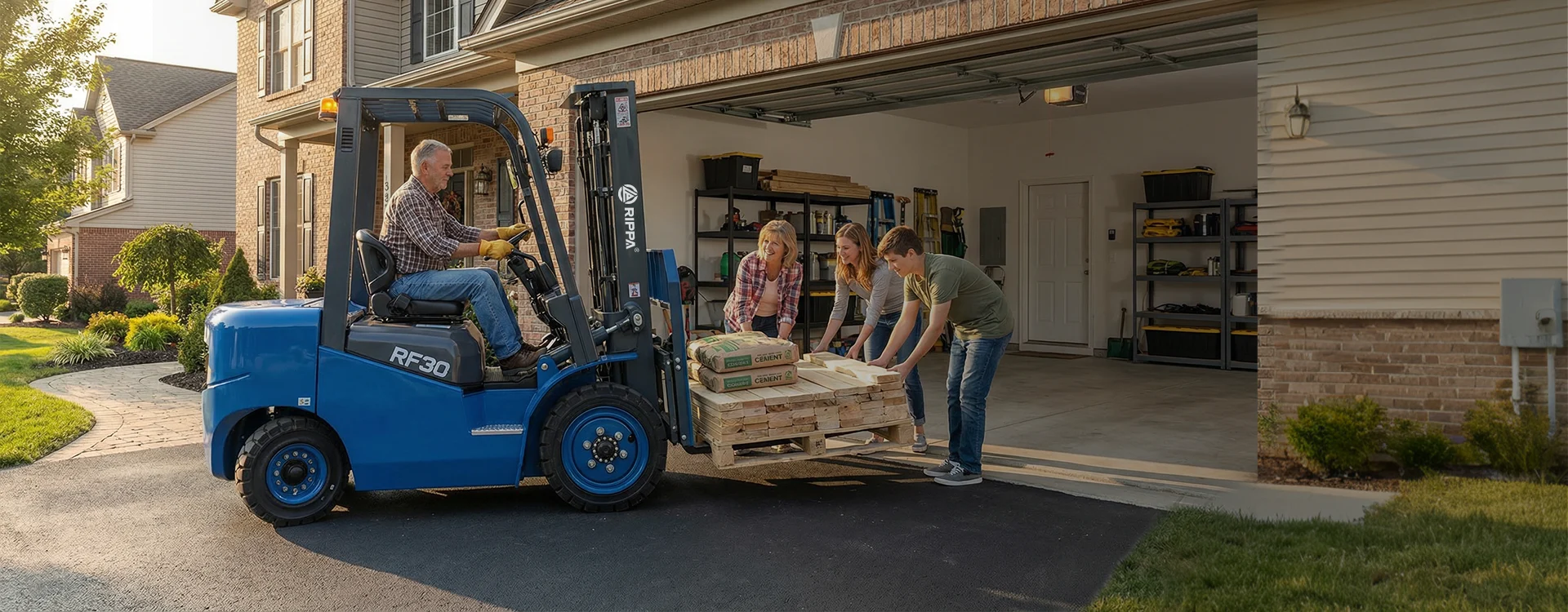
Choosing the right forklift depends on several factors:
Determine the maximum weight your forklift must lift.
Indoor environments usually require electric forklifts, while outdoor operations often use diesel forklifts.
Warehouses with tall racks require reach trucks or order pickers.
Construction sites may require rough terrain forklifts.
Consider fuel consumption, maintenance, and battery costs.
Forklifts play a crucial role in modern logistics and material handling. From counterbalance forklifts and electric forklifts to telehandlers and pallet jacks, each type serves a specific purpose.
By understanding the nine main types of forklifts, businesses can select the right equipment for their operations, improving productivity and workplace safety.
Whether operating a warehouse, construction site, or distribution center, choosing the correct forklift ensures efficient and reliable material handling.





 Acasă
Acasă
 Produse
 E-mail
 WhatsApp