
Gru 05, 2025
[newsletter_form]Purchasing a wheel loader is a significant investment for construction, agriculture, or industrial projects. Whether you're upgrading your equipment or buying your first machine, understanding the key factors can save you time, money, and headaches. Here’s what you need to know before buying a wheel loader.
Before choosing a wheel loader, consider the tasks you will perform. Are you moving loose materials like sand or gravel, handling heavy pallets, or loading trucks? Different applications require different specifications. For instance:
Construction: Focus on high lifting capacity and stability.
Agriculture: Consider a loader with a versatile bucket and attachments for handling feed, manure, or soil.
Industrial: Prioritize maneuverability and fuel efficiency for indoor or yard operations.
Understanding your workload will help you choose the right size and power rating.
Wheel loaders come in various sizes, from compact loaders under 3 tons to large machines over 20 tons. Choosing the right size is crucial:
Compact loaders: Great for tight spaces, low fuel consumption, and ease of transport.
Medium loaders: Suitable for general construction or agricultural tasks.
Large loaders: Best for heavy-duty operations like quarrying or mining.
Operating weight affects stability, lifting power, and fuel consumption. Always match the loader size to your project requirements.
Engine power directly impacts your loader’s performance. Machines with more horsepower handle heavier loads and tough terrains more efficiently. However, higher power can mean higher fuel consumption. Look for loaders with modern engines offering:
Efficient fuel use
Low emissions (meeting local environmental regulations)
Reliable performance for long hours of operation
Fuel efficiency not only reduces operational costs but also aligns with sustainability goals.
The hydraulic system is the heart of any wheel loader. It powers the lifting, tilting, and auxiliary functions. Key factors to consider include:
Lift capacity: Ensure it matches your typical load requirements.
Lift height: Important for loading trucks or stacking materials.
Hydraulic attachments: Compatibility with forks, grapples, or sweepers increases versatility.
A high-quality hydraulic system improves efficiency, reduces maintenance, and allows smoother operation.
A comfortable operator is a productive operator. Modern wheel loaders feature ergonomic cabins with:
Adjustable seats and steering
Climate control systems
Intuitive controls and digital displays
Safety features are equally important. Look for:
ROPS/FOPS-certified cabins
Rearview cameras and mirrors
Emergency stop functions
Operator comfort and safety reduce fatigue, prevent accidents, and increase efficiency.
Before buying, consider the ease of maintenance and availability of parts. Reputable manufacturers provide:
Accessible service points
Readily available spare parts
Technical support and training
Regular maintenance extends the machine’s life, reduces downtime, and keeps operational costs predictable.
Finally, budget is a major factor. While it’s tempting to go for the lowest price, consider:
Total cost of ownership (purchase price + fuel + maintenance + parts)
Resale value
Financing options
Investing in a quality wheel loader can pay off in reliability, efficiency, and lower long-term costs.
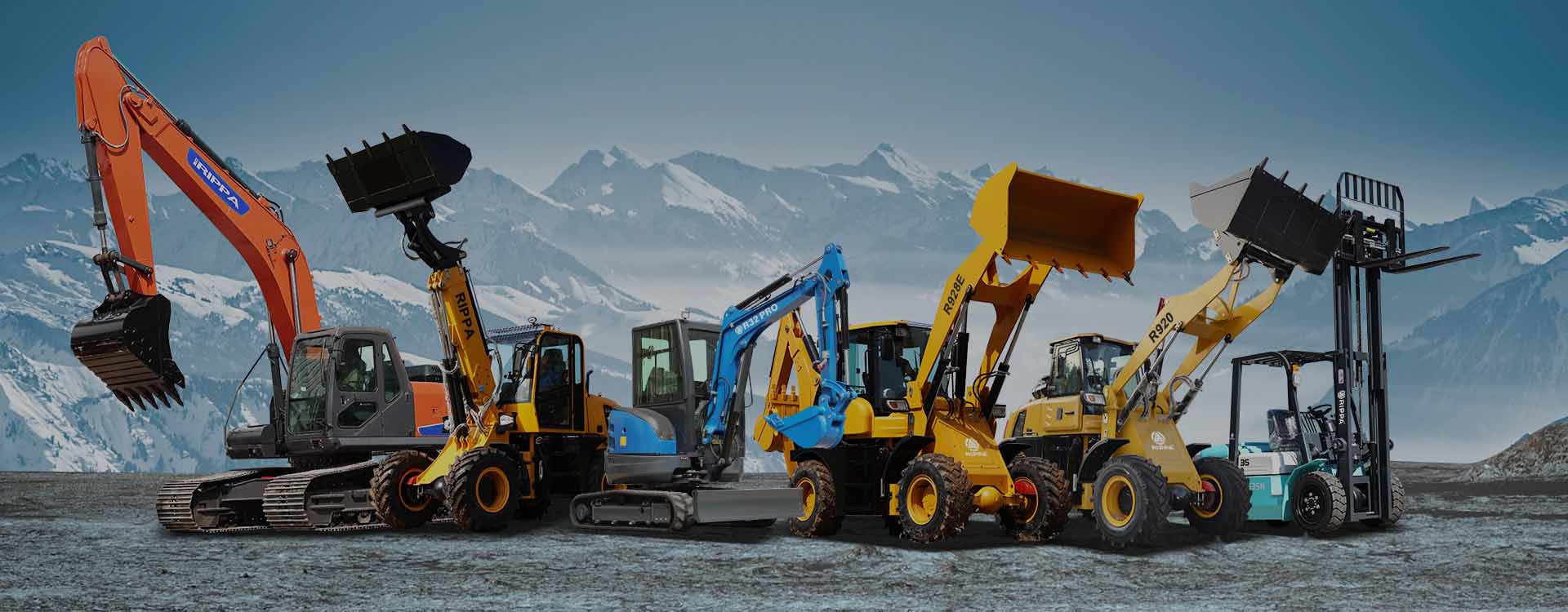
Selecting a trusted manufacturer ensures you receive a machine built for durability and backed by professional support. For example, RIPPA offers high-quality wheel loaders with:
Strong build quality
Versatile performance
Global service network
Competitive pricing
Choosing a reliable brand reduces risks and ensures your machine performs efficiently for years.
Buying a wheel loader is more than just picking a machine with the highest horsepower. By understanding your workload, selecting the right size, ensuring fuel efficiency, evaluating hydraulics, prioritizing operator comfort, planning maintenance, and choosing a reputable brand, you can make a smart investment that enhances productivity and lowers costs.
Key SEO Keywords Used: wheel loader, buying a wheel loader, loader size, engine power, hydraulic system, operator comfort, loader maintenance, wheel loader purchase, RIPPA wheel loader


 Pagrindinis
 Produktai
 El. paštas
 "WhatsApp"