Sau 10, 2026
[newsletter_form]Choosing between a šliaužiančiojo krautuvo krautuvas and a compact track loader (CTL) is a common challenge for contractors, landscapers, farmers, and equipment rental businesses. While both machines are compact, versatile, and compatible with a wide range of attachments, they perform very differently depending on terrain, climate, workload, and operating costs.
In this guide, we’ll break down the key differences between skid steers and compact track loaders, compare performance and cost, and help you decide which machine is the best fit for your business.
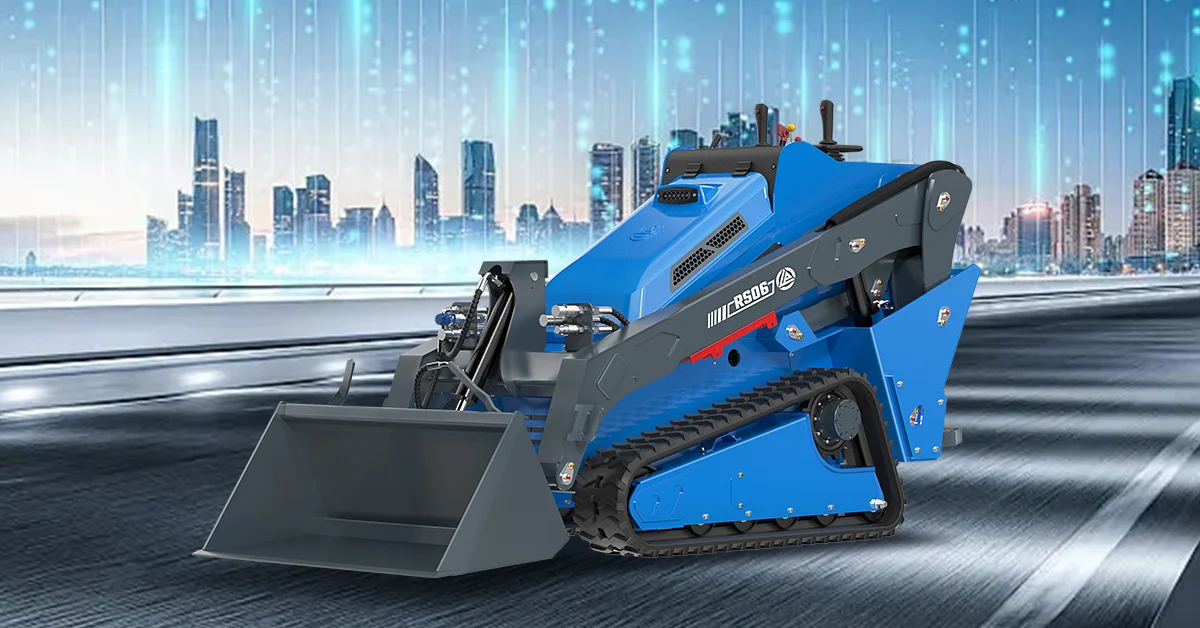
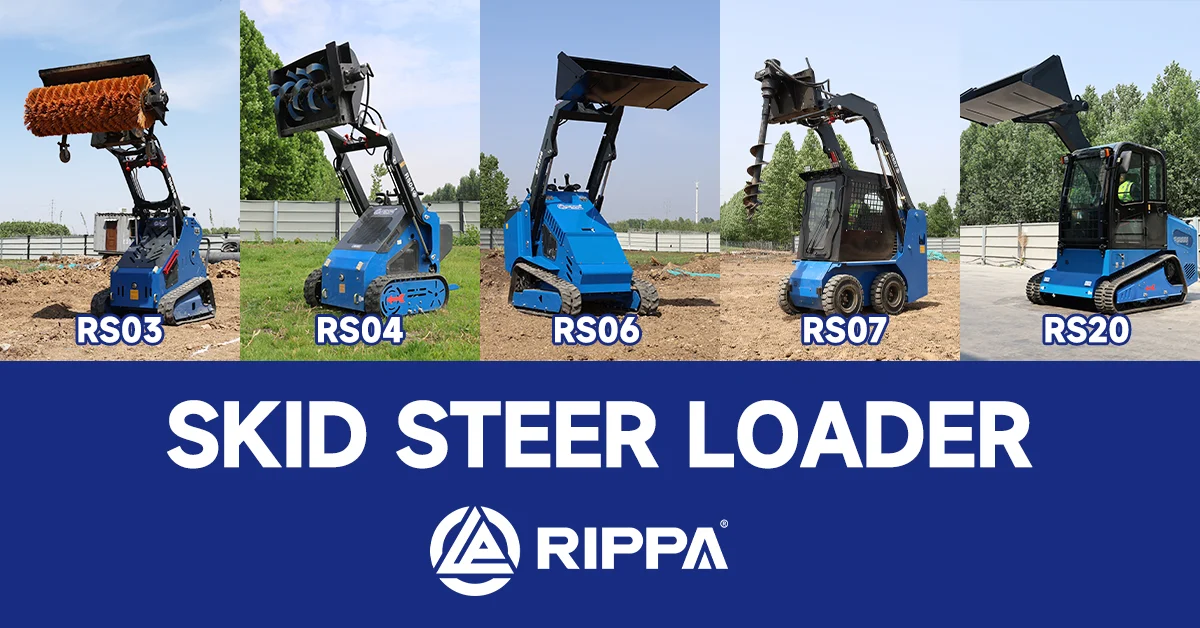
A šliaužiančiojo krautuvo krautuvas is a compact, wheeled machine known for its agility, fast travel speed, and low operating cost. It uses four wheels and skid steering (the wheels on each side rotate at different speeds), allowing it to turn within its own footprint.
●Wheeled undercarriage
●Excellent maneuverability on hard surfaces
●Lower purchase price than CTLs
●Easier maintenance and transport
●Ideal for urban and indoor job sites
Common applications: construction sites, warehouses, road work, demolition, material handling.
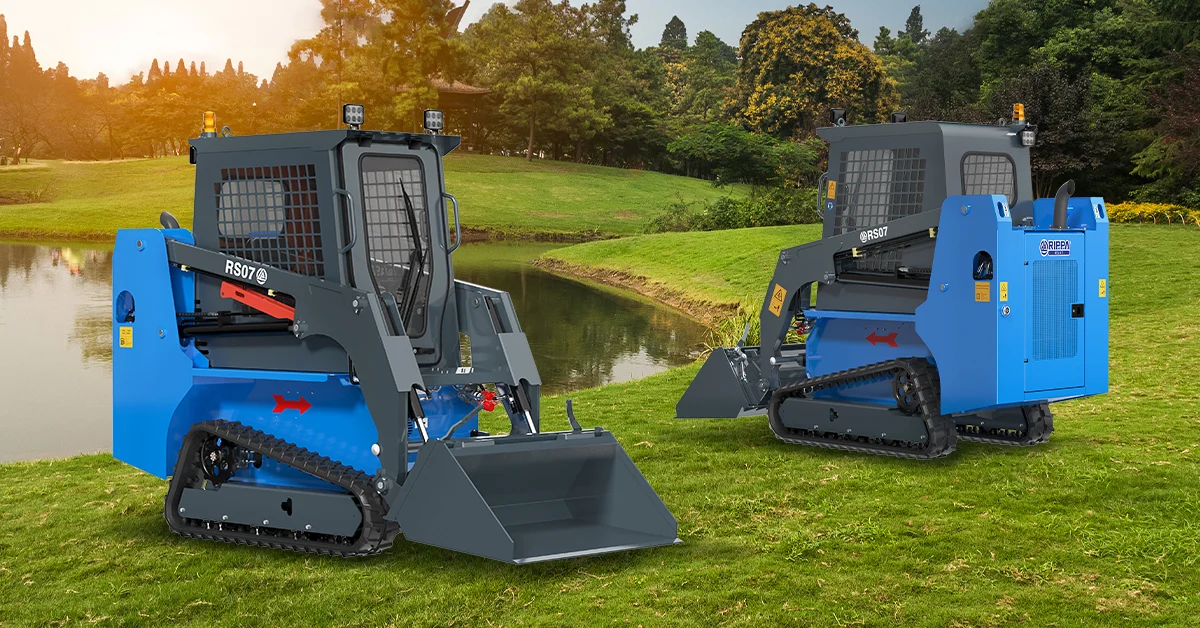
A compact track loader performs similar functions but uses a rubber track system instead of wheels. This design distributes weight more evenly, reducing ground pressure and improving traction on soft or uneven terrain.
●Rubber track undercarriage
●Superior traction and stability
●Lower ground pressure
●Performs well in mud, sand, snow, and slopes
●Higher upfront and maintenance costs
Common applications: landscaping, agriculture, forestry, site preparation, muddy or wet environments.
●Skid Steer: Best on concrete, asphalt, and packed ground
●CTL: Excels on soft, muddy, snowy, or uneven terrain
If your business operates in wet or loose soil conditions, a compact track loader provides significantly better performance.
●Skid Steer: Higher ground pressure, may damage turf or soft soil
●Compact Track Loader: Lower ground pressure, more surface-friendly
Landscaping and agricultural businesses often prefer CTLs for minimal ground disturbance.
●Skid Steer Loader
●Lower initial purchase cost
●Less expensive tires and parts
●Lower daily operating cost
●Compact Track Loader
●Higher purchase price
●Rubber tracks are costly to replace
●More complex undercarriage maintenance
For cost-sensitive buyers or rental fleets, skid steers are usually more economical.
●Skid Steers have simpler drivetrains and fewer wear components. Tire replacement is relatively inexpensive.
●CTLs require regular cleaning and inspection of tracks, rollers, and sprockets, especially in debris-heavy environments.
Businesses with limited maintenance resources may prefer skid steers.
●Skid steers generally offer faster travel speeds.
●CTLs are heavier and slower, which can impact transport logistics.
If frequent jobsite moves are required, skid steers provide better efficiency.
Both skid steers and compact track loaders support a wide range of attachments, including:
●Buckets
●Augers
●Pallet forks
●Trenchers
●Grapples
●Snow blowers
Most modern attachments are interchangeable, making both machines extremely versatile.
●You work primarily on hard, flat surfaces
●You want a lower upfront investment
●You prioritize speed and mobility
●You operate in urban or indoor environments
●You work on soft, muddy, or uneven terrain
●You need better traction and stability
●You want year-round performance in wet or snowy climates
●You focus on landscaping, agriculture, or forestry
| Category | Slidusis krautuvas | Compact Track Loader |
|---|---|---|
| Purchase Price | Lower | Higher |
| Operating Cost | Lower | Higher |
| Traction | Moderate | Excellent |
| Ground Impact | Higher | Lower |
| Maintenance | Simple | More complex |
The decision between a šliaužiančiojo krautuvo krautuvas and a compact track loader depends entirely on your business environment, budget, and workload. Skid steers offer affordability and speed, while compact track loaders deliver superior performance in challenging conditions.
For many businesses, the right choice isn’t about which machine is “better,” but which one aligns with your daily operating conditions and long-term cost strategy.






 Pagrindinis
 Produktai