Ιαν 10, 2026
[newsletter_form]Skid steer loaders and compact track loaders (CTLs) are among the most versatile pieces of compact construction equipment in today’s market. Widely used in construction, landscaping, agriculture, snow removal, and material handling, these machines deliver exceptional productivity in confined spaces.
This ultimate guide explains what skid steers and compact track loaders are, how they differ, key specifications, applications, costs, and how to choose the right machine for your job.
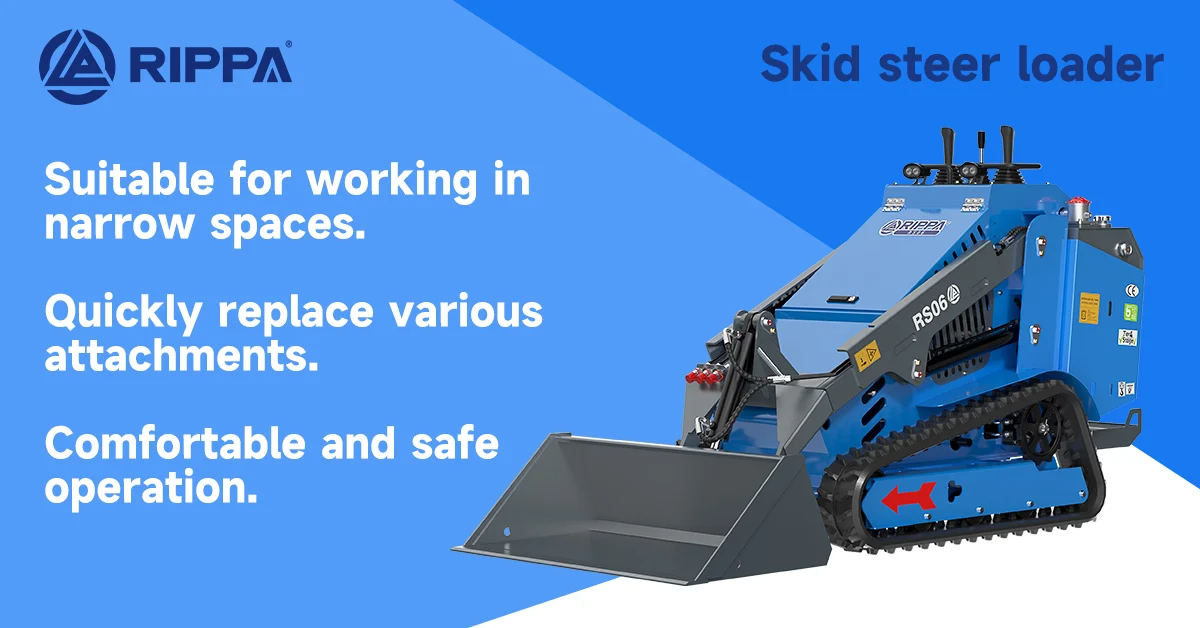
A ολισθαίνοντα φορτωτή is a compact, engine-powered machine with lift arms that can attach to a wide range of tools and attachments. It uses wheels and steers by skidding—each side of the drivetrain moves independently, allowing zero-radius turns.
Wheeled undercarriage
Compact size and tight turning radius
Quick-attach system for attachments
High maneuverability on hard surfaces
Lower upfront cost compared to CTLs
Skid steers are especially popular on paved surfaces, warehouses, and urban job sites where speed and maneuverability matter.
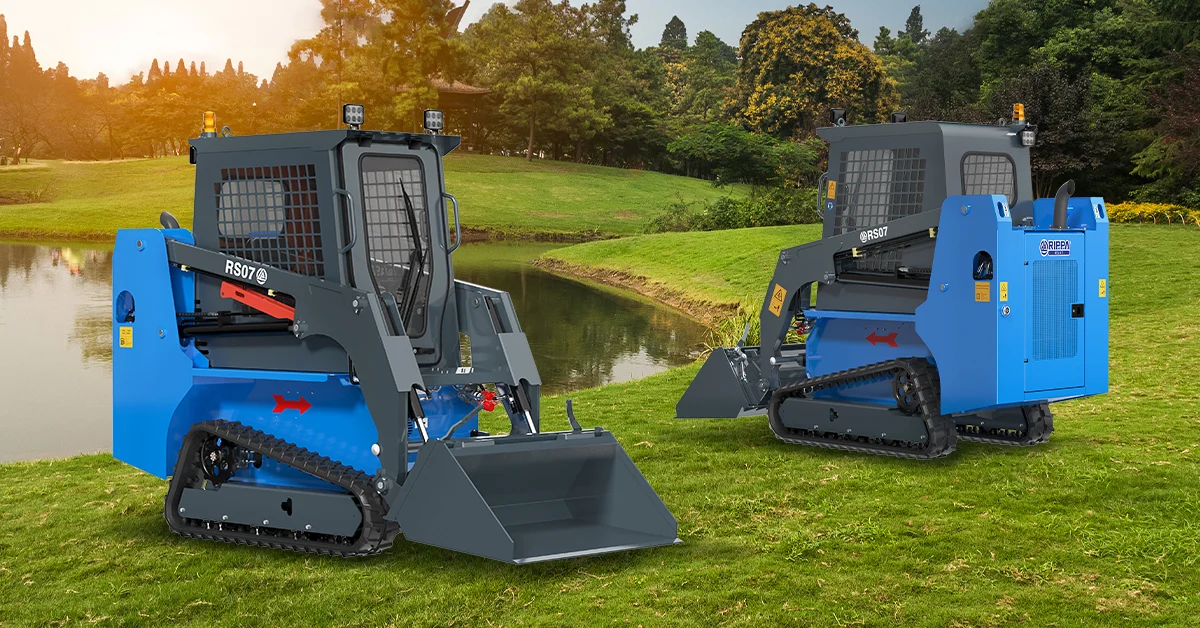
A compact track loader is similar in size and function to a skid steer but replaces wheels with rubber tracks. This design provides better traction, lower ground pressure, and improved performance on soft or uneven terrain.
Rubber track undercarriage
Superior traction and flotation
Reduced ground disturbance
Better stability on slopes
Higher operating cost than wheeled skid steers
CTLs are ideal for muddy, sandy, snowy, or uneven conditions, making them popular in landscaping, forestry, and rural construction.
| Feature | Skid Steer Loader | Compact Track Loader |
|---|---|---|
| Undercarriage | Wheels | Rubber tracks |
| Best Surface | Pavement, concrete | Mud, sand, snow |
| Ground Pressure | Higher | Lower |
| Traction | Moderate | Excellent |
| Operating Cost | Lower | Higher |
| Maintenance | Simpler | More complex |
In short:
Choose a skid steer for speed, cost efficiency, and hard surfaces
Choose a compact track loader for traction, stability, and soft ground
Trenching
Site preparation
Material handling
Backfilling
Grading
Soil movement
Tree planting
Hardscape installation
Feed handling
Manure cleanup
Fence installation
Barn maintenance
Snow pushing
Snow blowing
Ice scraping
Thanks to their attachment compatibility, both machines can replace multiple single-purpose tools.
Attachments are what make these machines extremely versatile.
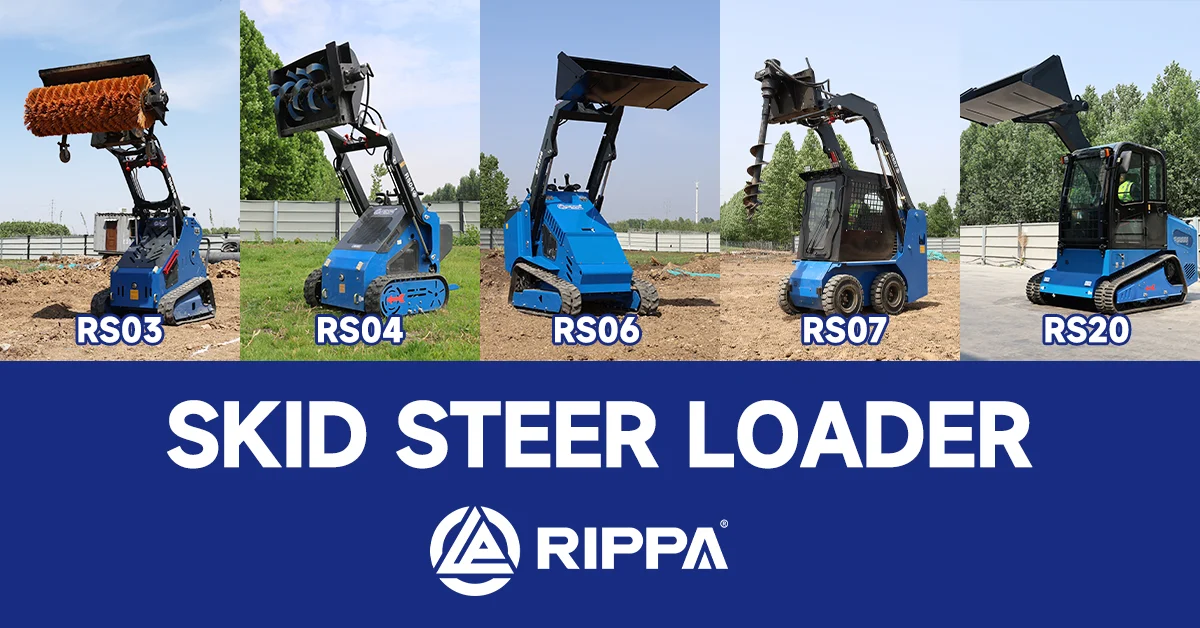
Common attachments include:
Buckets (general purpose, rock, high-dump)
Augers
Pallet forks
Grapples
Τάφροι
Εκχιονιστικά μηχανήματα
Mulchers
Hydraulic breakers
Tip: Always match attachment hydraulic requirements with the loader’s auxiliary flow rate.
When comparing skid steers or compact track loaders, focus on these core parameters:
Typically 700–1,600 kg
Determines safe lifting performance
Usually 18–75+ HP
Affects pushing force and attachment capability
Standard flow vs. high flow
Critical for demanding attachments like mulchers
Influences stability and transport requirements
Entry-level: $12,000–$20,000
Mid-range: $20,000–$35,000
Premium models: $35,000+
Entry-level: $20,000–$30,000
Mid-range: $30,000–$50,000
High-end models: $50,000+
Costs vary based on engine brand, hydraulic configuration, attachments, and region.
Tire replacement
Hydraulic oil changes
Lower daily operating cost
Track wear and replacement
Undercarriage cleaning
Higher long-term ownership cost
Regular maintenance significantly extends machine lifespan and resale value.
Ask yourself:
What surface will I work on most?
Do I need maximum traction or maximum speed?
What attachments will I use?
What is my budget for purchase and maintenance?
If your jobs are mostly on concrete or asphalt, a skid steer is usually the best choice.
If your work involves soft ground, slopes, or harsh weather, a compact track loader delivers better performance.
Skid steer loaders and compact track loaders are essential machines for modern job sites. Understanding their differences, specifications, and use cases ensures you invest in equipment that delivers maximum productivity and long-term value.
By choosing the right loader and attachments, operators can reduce labor costs, improve efficiency, and adapt to nearly any working condition.






 Αρχική σελίδα
 Προϊόντα