
Δεκ 20, 2025
Searching for a skid steer for sale often begins with one simple question:“How much does a skid steer cost?”
But experienced buyers know that the purchase price is only part of the equation. In 2025, smart equipment buyers focus on value, operating cost, reliability, and return on investment (ROI) rather than just the lowest upfront price.
This guide provides a complete, market-oriented breakdown of skid steer pricing, value comparison, and professional buying strategies—helping you avoid common cost traps and choose the most profitable machine for your business.
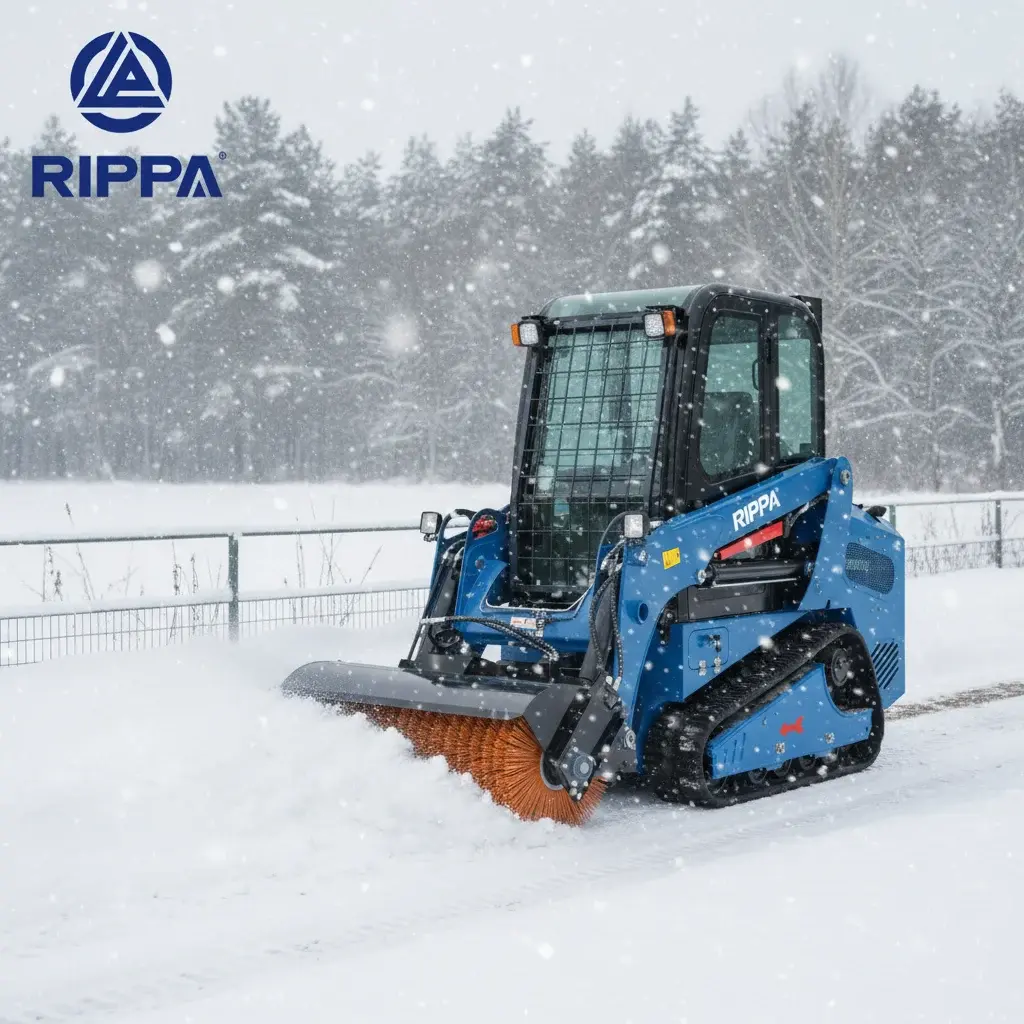
Skid steer prices vary significantly depending on size, configuration, and sourcing model. Generally, machines fall into three major categories.
Mini skid steers are designed for light-duty tasks and tight working environments.
Typical characteristics:
Compact footprint
Lower operating weight
Simple hydraulic systems
Best for:
Διαμόρφωση τοπίου
Property maintenance
Residential projects
Mini skid steers are often the lowest-cost option and offer excellent value for operators who do not need high lifting capacity.
Compact skid steers represent the sweet spot of the market.
Key features:
Balanced lifting capacity
Strong hydraulic performance
Wide attachment compatibility
They are widely used in:
Κατασκευή
Γεωργία
Snow removal
Most buyers searching for a skid steer for sale ultimately choose this category due to its flexibility and cost-performance balance.
Heavy-duty skid steers are built for demanding applications.
They offer:
Higher rated operating capacity
Reinforced frames
Advanced hydraulic systems
These machines are ideal for:
Large construction sites
Industrial material handling
High-hour rental fleets
While the upfront cost is higher, productivity gains can justify the investment.

Understanding price drivers helps buyers compare machines objectively.
Engines play a major role in cost:
Tier 4 Final / Stage V compliant engines cost more
Brand-name engines increase price
Fuel efficiency impacts long-term expenses
In regulated markets, compliance is non-negotiable and should be factored into total cost.
Hydraulic flow rate directly affects:
Attachment capability
Work speed
Jobsite efficiency
Machines with high-flow hydraulics command higher prices but unlock more use cases.
Options that influence price include:
Enclosed cab vs open cab
Heating and air conditioning
Joystick vs mechanical controls
For long working hours, operator comfort translates into higher productivity and lower fatigue.
Attachments significantly affect final cost:
Buckets
Pallet forks
Augers
Εκχιονιστικά μηχανήματα
Bundled packages often provide better value than purchasing attachments separately.
A low sticker price can be misleading.
Frequent maintenance
Expensive spare parts
Limited parts availability
Poor resale value
Machines built with lower-quality components may cost less initially but consume more capital over time.
Professional buyers evaluate:
Κατανάλωση καυσίμου
Maintenance intervals
Downtime risk
Parts pricing
Expected service life
A competitively priced skid steer with strong reliability often delivers higher ROI than premium brands with inflated pricing.
Advantages:
Local service presence
Immediate stock availability
Brand familiarity
Disadvantages:
Higher purchase price
Limited negotiation room
Fewer customization options
Buying directly from a manufacturer offers:
Factory pricing without dealer markup
Flexible configurations
Bulk order discounts
Direct technical support
This model is increasingly popular among:
Fleet owners
Rental companies
Equipment distributors
When combined with overseas warehouses, manufacturer-direct purchasing can still achieve fast delivery.

Instead of focusing on brand name alone, evaluate machines based on measurable value indicators.
Reinforced chassis
High-strength steel arms
Proven welding quality
Durability directly affects lifespan and resale value.
Machines using standardized components:
Reduce spare part costs
Simplify maintenance
Shorten repair downtime
This is particularly important for international buyers.
Value-focused skid steers are designed with:
Easy-access service points
Simple electrical systems
Clear maintenance documentation
Lower maintenance complexity reduces labor costs.
New skid steers offer:
Warranty protection
Predictable operating costs
Improved fuel efficiency
Better financing options
For long-term ownership or rental fleets, new machines reduce risk.
Used machines may be suitable for:
Short-term projects
Low-hour applications
Budget-constrained buyers
However, buyers should factor in:
Inspection costs
Potential repairs
Reduced resale value
Focus on reliability and uptime
Mid-range pricing often delivers best ROI
Prioritize durability and easy maintenance
Manufacturer-direct purchasing improves margins
Evaluate wholesale pricing
Assess after-sales support
Consider brand scalability
Many buyers overlook financing impact.
Common options include:
Equipment loans
Leasing programs
Manufacturer financing
Lower upfront payments can improve cash flow while maintaining productivity.

Why do skid steer prices vary so much?
Differences in engine, hydraulics, build quality, and sourcing models drive price variation.
Is a higher-priced skid steer always better?
No. Value depends on performance, reliability, and operating cost—not price alone.
Can manufacturer-direct skid steers compete with major brands?
Yes. Many offer comparable performance at more competitive prices.
Choosing a skid steer for sale in 2025 requires a shift in mindset—from price-focused buying to value-driven decision-making.
By evaluating:
Total cost of ownership
Supplier reliability
Machine versatility
Long-term support
buyers can secure a skid steer that delivers consistent profitability, not just short-term savings.





 Αρχική σελίδα
 Προϊόντα
 Ηλεκτρονικό ταχυδρομείο
 WhatsApp