
Φεβ 24, 2026
Buying a forklift for the first time can feel overwhelming. With many models, power types, and lifting capacities available, new buyers often struggle to determine which forklift best fits their operation. Whether you manage a warehouse, logistics center, construction supply yard, or distribution business, choosing the right machine can greatly improve productivity and reduce operating costs.
This beginner-friendly guide explains everything first-time buyers should know before purchasing a forklift, including key features, cost considerations, and how to compare different models from manufacturers such as RIPPA.
Forklifts are essential for modern material handling. Instead of relying on manual labor, companies use forklifts to move heavy loads quickly and safely.
Common industries that rely on forklifts include:
Warehousing and logistics
Manufacturing
Construction supply distribution
Wholesale storage facilities
Retail distribution centers
A single forklift can significantly increase operational efficiency while reducing labor intensity.
Before buying a forklift, it is important to evaluate where the machine will be used.
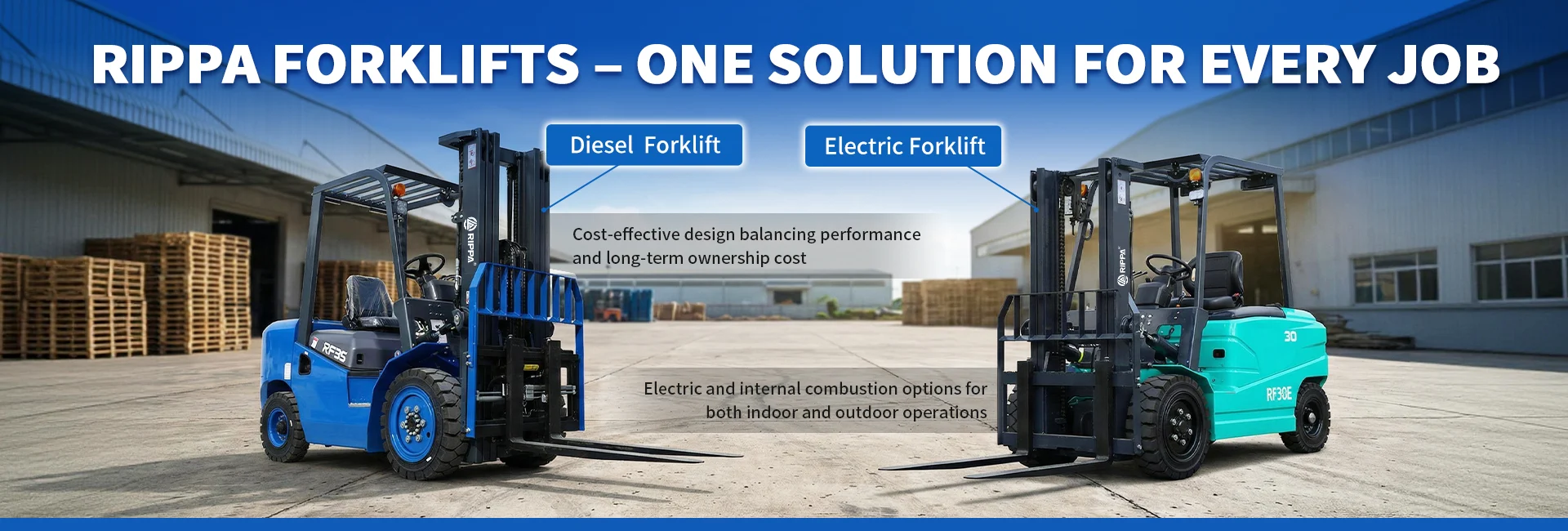
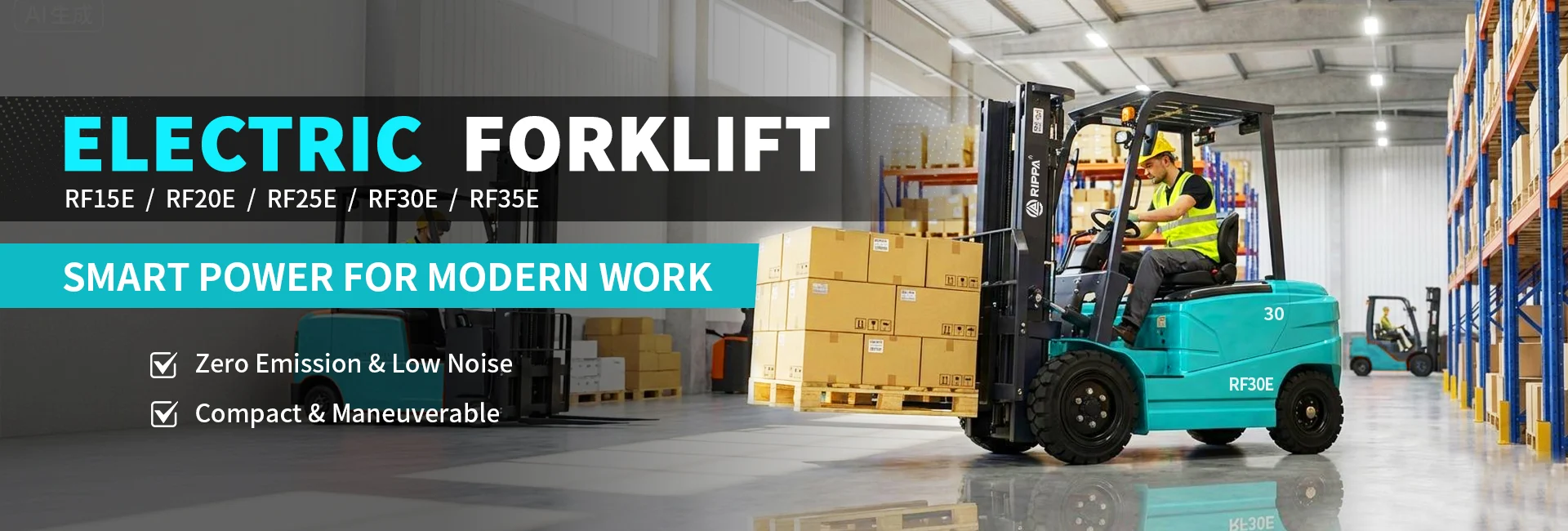
Electric forklifts are often the best option because they produce zero emissions and operate quietly.
Diesel forklifts provide stronger power and perform well in rough environments.
LPG forklifts are flexible and allow businesses to operate in multiple environments.
Understanding your working conditions helps narrow down forklift choices quickly.
One of the most important specifications is how much weight the forklift can safely lift.
Typical forklift capacities include:
| Capacity | Αίτηση |
|---|---|
| 1–1.5 ton | Small warehouses |
| 2–2.5 ton | Standard logistics operations |
| 3 ton | Industrial material handling |
| 5 ton or more | Heavy construction materials |
Choosing the correct capacity improves safety and prevents machine overload.
Lift height is another key factor many first-time buyers overlook.
Ask these questions:
How high are your warehouse racks?
Will the forklift load trucks or containers?
Do you need high stacking capability?
Warehouses with vertical storage systems often require forklifts with extended mast designs.
Many new buyers focus only on the purchase price, but long-term operating expenses matter just as much.
Important cost factors include:
Fuel or electricity consumption
Maintenance and service costs
Replacement parts
Operator training
Διάρκεια ζωής του μηχανήματος
Reliable forklifts may cost more initially but often reduce expenses over time.
Modern forklifts include features that improve both safety and productivity.
Important features include:
Ergonomic driver cabin
Easy-to-use controls
Stable hydraulic lifting system
Clear operator visibility
Efficient engine or battery system
These features make forklifts easier to operate and safer for daily use.
First-time buyers often wonder whether they should purchase new or used equipment.
Πλεονεκτήματα:
Longer service life
Manufacturer warranty
Τελευταία τεχνολογία
Lower risk of hidden damage
Πλεονεκτήματα:
Lower upfront investment
Immediate availability
However, buyers should carefully inspect used machines and check maintenance records before purchasing.
Before making a final decision, businesses should ask suppliers several important questions:
What is the warranty period?
Are spare parts easy to obtain?
What maintenance support is available?
What is the expected service life?
Is operator training available?
These questions help avoid unexpected problems after purchase.
As international trade grows, buyers are increasingly exploring manufacturers that combine quality with competitive pricing.
RIPPA forklifts are designed for:
Warehouse operations
Logistics handling
Industrial material transport
Dealer distribution programs
With durable construction, stable lifting systems, and global export experience, these forklifts offer strong value for distributors and equipment buyers.
Many first-time forklift buyers make similar mistakes.
Choosing a forklift that is too small for the job
Ignoring lift height requirements
Overlooking maintenance costs
Selecting equipment without parts support
Buying based only on price
Avoiding these mistakes helps businesses make better long-term investments.
Buying a forklift for the first time does not need to be complicated. By understanding your work environment, load requirements, and long-term operating costs, you can confidently select the right machine for your business.
A well-chosen forklift improves efficiency, enhances workplace safety, and supports long-term operational growth.


 Αρχική σελίδα
 Προϊόντα
 Ηλεκτρονικό ταχυδρομείο
 WhatsApp