
Úno 08, 2026
Before buying a skid steer loader, you should inspect the engine condition, hydraulic performance, structural frame, undercarriage or tires, operator controls, maintenance history, and attachment interface. A full operational test is essential to evaluate machine performance under load. Buyers should also verify service records, machine hours, and signs of previous damage to avoid hidden repair costs.
A skid steer loader is a critical investment for contractors, farmers, equipment dealers, and rental businesses. Whether you are purchasing a new machine or a used skid steer loader, inspection helps you understand real machine condition beyond cosmetic appearance.
Many buyers searching for a skid steer loader or mini skid steer focus on price first. However, experienced fleet managers know that hidden mechanical problems can lead to downtime, increased maintenance expenses, and reduced productivity. A proper inspection ensures the machine can handle daily workloads safely and efficiently.
Always start the skid steer loader when the engine is cold. A healthy engine should start smoothly without excessive smoke or loud knocking noises. Hard starting or unstable idle may indicate internal wear or fuel system problems.
Inspect:
●Engine oil condition
●Coolant clarity
●Hydraulic oil color
●Fuel system connections
Dirty fluids or visible leaks suggest poor maintenance or upcoming repair needs. Engine performance directly affects machine reliability and fuel efficiency.
Hydraulics power all skid steer attachments, including buckets, augers, trenchers, and breakers. Weak hydraulic systems reduce machine efficiency and lifting capability.
During inspection:
●Raise and lower lift arms fully
●Tilt the bucket under load
●Listen for unusual pump noise
●Check hoses for cracks or leaks
Smooth and responsive movement indicates a well-maintained hydraulic system.
The loader frame and boom arms carry the majority of stress during operation. Carefully inspect weld points, pivot joints, and structural components.
Look for:
●Visible cracks
●Bent arms
●Reinforced or repaired welds
●Loose pins or bushings
Structural damage may compromise safety and reduce resale value.
Tires and undercarriage parts influence traction, stability, and long-term maintenance cost.
For wheeled skid steer loaders:
●Check tread depth
●Inspect sidewall damage
●Look for uneven wear patterns
For compact track loaders:
●Examine track tension
●Inspect rollers and sprockets
●Check for hydraulic drive leaks
Undercarriage repairs can be expensive, making this inspection step especially important.
The operator station reflects overall machine care and usability. Test:
●Joystick and control responsiveness
●Dashboard indicators
●Safety locks and alarms
●Seat condition and visibility
Comfortable controls improve efficiency and reduce operator fatigue during long work hours.
Machine hours alone do not determine quality. A higher-hour skid steer with consistent maintenance may perform better than a low-hour unit with poor service history.
Ask for:
●Maintenance logs
●Replacement part records
●Previous ownership details
●Accident or major repair information
Well-documented service history increases buyer confidence and machine value.
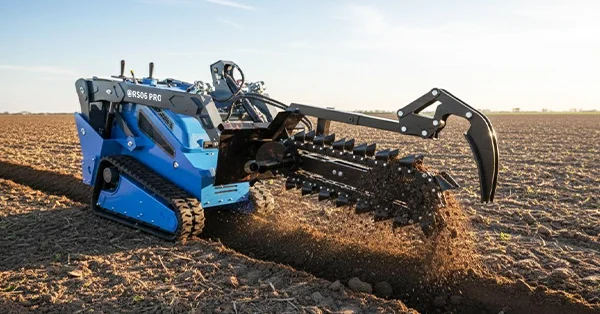
Inspect the quick-attach system to ensure attachments connect securely. Worn couplers or damaged hydraulic connectors can lead to operational problems and safety risks. Verify compatibility with common skid steer attachments to ensure flexibility for future projects.
Before finalizing a purchase:
●Perform a full operational test
●Verify serial numbers and documentation
●Compare engine hours with machine wear
●Inspect hydraulic pressure and lifting ability
●Evaluate parts availability and service support
A thorough inspection process helps contractors and equipment buyers make informed decisions and avoid costly surprises after purchase.


 Home
Home
 Produkty
 E-mail
 WhatsApp