
يناير 19, 2026
Choosing the best skid steer for the money is one of the most common questions among contractors, landscapers, farmers, and equipment buyers. With so many models on the market—ranging from budget machines to premium brands—the challenge is not finding a skid steer, but finding one that delivers real value over time.
This guide explains how to evaluate skid steer value objectively, what features matter most, and how to avoid overpaying for capabilities you don’t need.
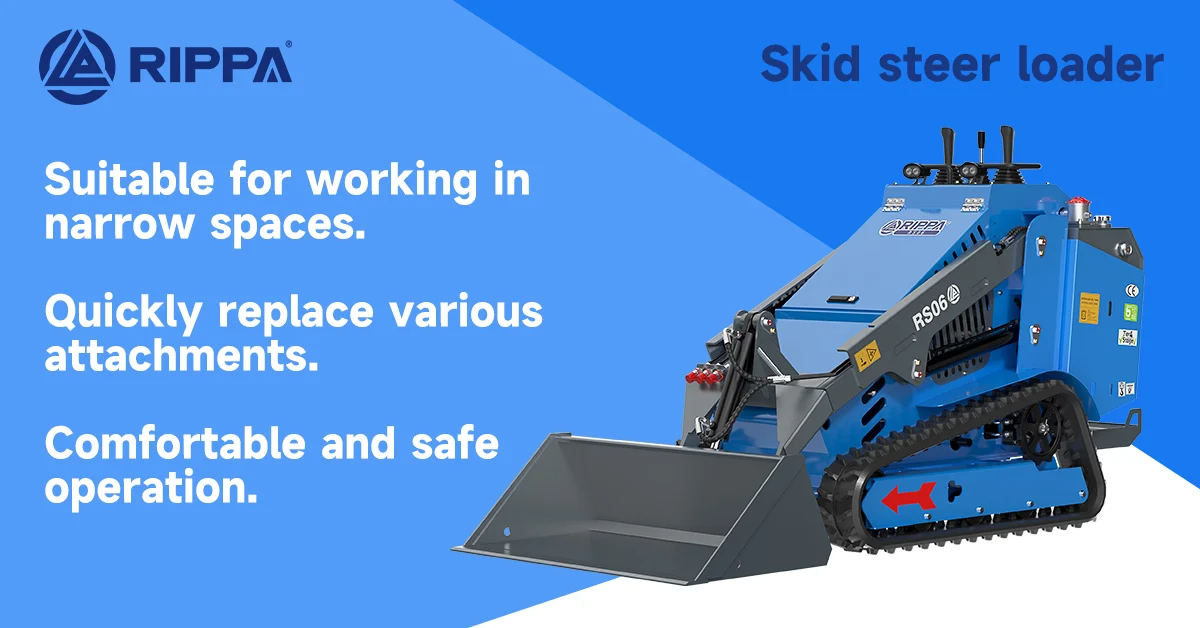
The best skid steer for the money is not necessarily the cheapest. Instead, it is the machine that delivers the lowest total cost of ownership while maintaining reliable performance.
When evaluating value, buyers should look beyond the purchase price and consider:
●Initial purchase cost
●Fuel consumption
●Maintenance and service expenses
●Replacement parts availability
●Downtime risk
●Resale value
A skid steer that costs less upfront but breaks down frequently will often cost more in the long run.
A skid steer’s engine is the heart of the machine. Reliable engines reduce downtime and keep operating costs predictable.
Key considerations include:
●Proven engine platforms
●Fuel efficiency under load
●Cold-start reliability
●Emissions compliance without excessive complexity
For most users, a mid-horsepower diesel engine offers the best balance of power and economy.
ROC determines how much weight a skid steer can safely lift. Choosing the correct ROC is critical:
●Too low → limits productivity
●Too high → unnecessary cost
For general construction and landscaping, machines with moderate ROC often provide the best value for the money.
Hydraulic flow and pressure directly affect how well attachments perform.
High-value skid steers typically offer:
●Stable standard-flow hydraulics
●Optional high-flow systems
●Smooth auxiliary control response
If you plan to run attachments like trenchers, augers, or brush cutters, hydraulic performance matters more than raw engine horsepower.
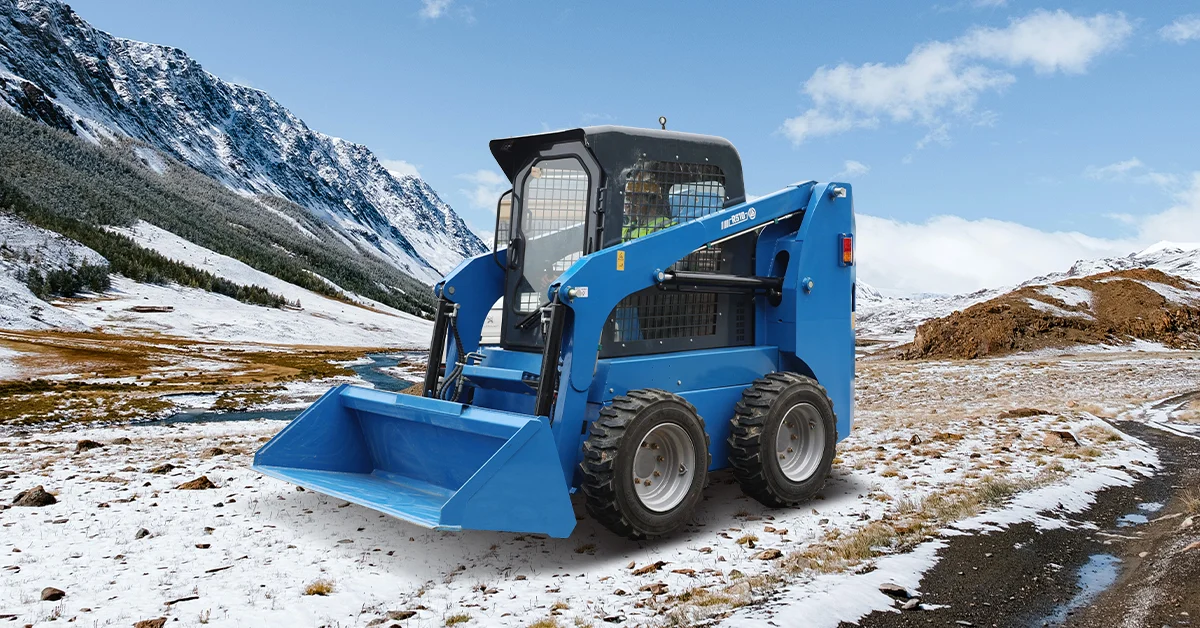
A skid steer built with reinforced steel and balanced loader geometry will:
●Handle repeated heavy loads
●Resist frame twisting
●Extend service life
Machines designed for industrial use generally offer better long-term value than light-duty designs.
Comfort is often overlooked when evaluating value, but it directly affects productivity.
High-value machines offer:
●Ergonomic joystick controls
●Clear visibility
●Reduced vibration
●Simple, intuitive dashboards
An operator who works comfortably completes more work with fewer mistakes.
One reason skid steers offer excellent value is their ability to perform multiple jobs with one machine.
●Buckets (general purpose, rock, snow)
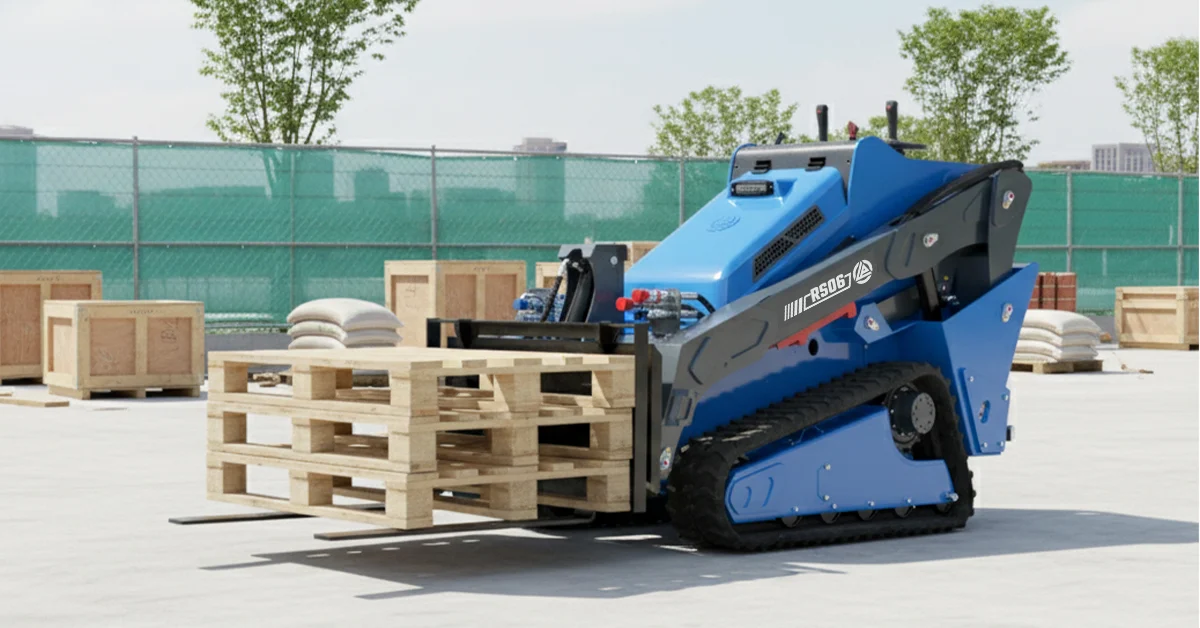
●Pallet forks
●Augers
●Trenchers
●Grapples
●Snow blowers
A skid steer with universal attachment compatibility allows owners to expand capabilities without buying additional machines.
Advantages:
●Manufacturer warranty
●Latest safety features
●Lower early maintenance cost
●Easier financing
New skid steers often make sense for businesses that rely on uptime.
Advantages:
●Lower purchase price
●Immediate availability
Disadvantages:
●Unknown service history
●Potential hidden repair costs
●Shorter remaining lifespan
For many buyers, a competitively priced new skid steer offers better long-term value than a heavily used machine.
●Moderate ROC
●Compact size
●Strong auxiliary hydraulics
●Reinforced frame
●Higher lift height
●Reliable cooling system
●Easy maintenance
●Fuel efficiency
●Attachment versatility
Matching the machine to the job is essential for maximizing value.
●Overpaying for horsepower
●Ignoring hydraulic specifications
●Choosing brand name over performance
●Underestimating maintenance access
●Buying too large for actual needs
Avoiding these mistakes often saves more money than negotiating price.
The best skid steer for the money is the one that:
●Matches your workload
●Offers reliable performance
●Minimizes downtime
●Supports multiple attachments
●Keeps operating costs low
Smart buyers focus on productivity per dollar, not brand prestige.





 الصفحة الرئيسية
 المنتجات
 البريد الإلكتروني
 واتساب