
maalis 17, 2026
Operating a forklift requires proper training, safety awareness, and practical skills. Incorrect use can lead to serious accidents, so understanding the correct procedures is essential for both beginners and experienced operators.
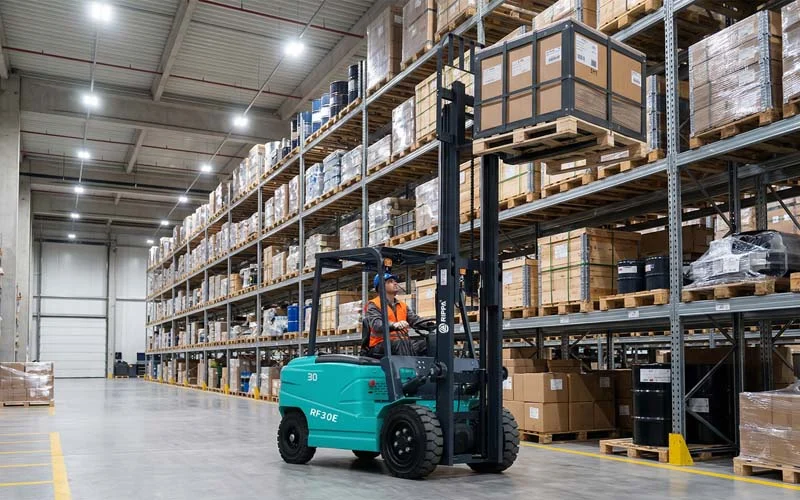
Only certified operators should use a forklift. Training ensures:
●Safe handling of loads
●Understanding of controls
●Awareness of workplace hazards
Check the following before starting:
●Brakes and steering
●Tires condition
●Forks and mast
●Fluid levels
●Warning lights and horn
●Sit properly in the operator’s seat
●Fasten the seatbelt
●Start the engine or power system
●Set forks to the correct width
●Ensure they are level before approaching the load
●Drive slowly toward the load
●Align forks with the pallet
●Keep forks low to the ground
●Insert forks fully under the load
●Lift slowly and steadily
●Tilt the mast slightly backward for stability
●Keep the load low while moving
●Drive at a controlled speed
●Avoid sharp turns
●Stop at the destination
●Raise the load to the correct height
●Move forward slowly
●Lower the load carefully
●Never exceed load capacity
●Keep clear visibility when driving
●Use horn at intersections
●Avoid sudden movements
●Do not allow passengers
●Driving with elevated loads
●Turning too fast
●Ignoring maintenance checks
●Operating on unstable surfaces
●Indoor Use: Electric forklifts are quieter and emission-free
●Outdoor Use: Diesel forklifts provide more power for heavy-duty tasks
Regular maintenance ensures safety and longevity:
●Daily inspections
●Scheduled servicing
●Battery care (for electric models)
●Lubrication of moving parts
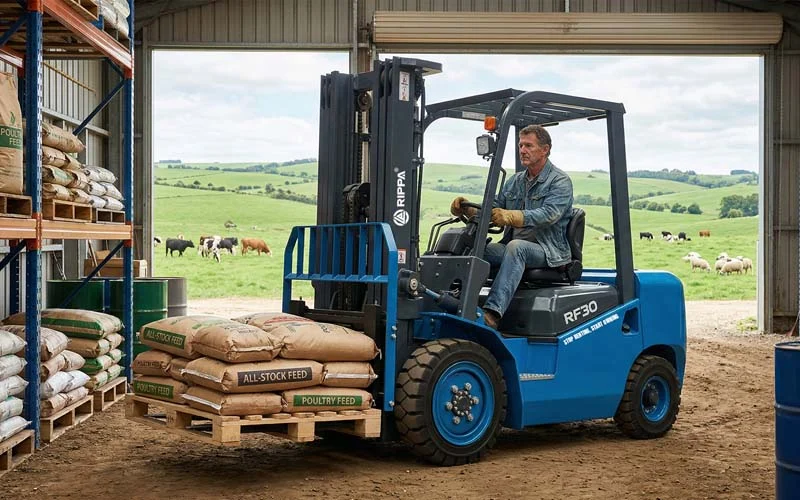
Learning how to use a forklift properly is essential for workplace safety and efficiency. By following correct procedures and safety guidelines, operators can reduce risks and improve productivity in any industrial environment.





 Etusivu
 Tuotteet
 Sähköposti
 WhatsApp